Airbnb Property Branding: Attract More Guests & Boost Revenue
Effective property branding creates a cohesive, memorable experience for your target audience and commands premium rates. Properties with strong branding achieve higher occupancy rates, increased average daily rates (ADR), and more positive guest reviews, leading to sustainable growth.
STR Cribs, the industry leader in data-driven design and renovation services for short-term rentals, has helped thousands of hosts transform their properties into revenue-generating powerhouses. Their clients reported up to 64% increases in occupancy rates and $50,000 more in annual revenue compared to comparable properties. This guide will equip you with the knowledge and strategies to create a powerful Airbnb brand that attracts more guests and maximizes your rental income.
Importance of Branding for Airbnb Properties
Effective branding impacts guest attraction and retention by creating an emotional connection beyond basic amenities and location. When guests can envision enjoying a specific experience at your property, they’re more likely to book and recommend it. This emotional resonance translates into tangible benefits: properties with strong branding see 25-40% increases in booking rates compared to generic listings.
The ROI for property branding is substantial and measurable. Well-branded properties command higher nightly rates, attract longer stays, and generate more repeat bookings, beyond increased occupancy rates. Guests are willing to pay premium prices for properties that offer a cohesive, Instagram-worthy experience that aligns with their values and vacation goals.
Consider successful Airbnb brands like themed treehouses, luxury urban retreats, or farm-to-table countryside escapes. These properties deliver exceptional experiences—from unique design to maintaining 5-star cleanliness standards—that guests share on social media, creating organic marketing that drives future bookings and builds long-term brand equity.
Defining Your Airbnb Brand Identity
Creating a successful Airbnb brand starts with defining your unique brand identity. Your brand identity is a combination of visual elements, brand voice, target audience, and compelling brand story that distinguishes your property from competitors. This foundation, built on strategic Airbnb design principles, guides decisions from decor to guest communication, ensuring consistency.
Identify your target audience. Are you attracting young professionals seeking Instagram-worthy weekend getaways, families looking for spacious vacation homes, or business travelers needing modern amenities and reliable Wi-Fi? Understanding your ideal guests' demographics, interests, pain points, and expectations allows you to tailor your branding to resonate with their needs.
Next, develop your brand story, the narrative that makes your property memorable. What inspired your space’s design? Is there local history or cultural significance that adds depth to the guest experience? Does your property celebrate local artisans, demonstrate sustainable practices, or offer a retreat from urban life? Your brand story should be authentic, engaging, and consistently communicated across all marketing materials.
Define your core brand values and mission statement. What does your property stand for? Values might include sustainability, luxury, family-friendly hospitality, cultural immersion, or adventure. These values should influence your design choices, house rules, and guest interactions.
Brand Identity Exercise: Complete these prompts to clarify your brand identity:
- My ideal guest is: ___
- I want guests to feel the main emotion: ___
- Three words to describe my property: ___, ___, ___
- The unique story of my property is: ___
- My core brand values are: ___
Visual Branding Elements for Airbnb Listings
Visual branding creates the first impression that determines whether potential guests click "book now" or scroll past your listing. Professional, cohesive visual elements, including high-quality photography, consistent color palettes, and thoughtful design themes, are essential for successful short-term rental branding.
Your most powerful visual branding tool is photography. Invest in professional photos that showcase your property's best attributes and tell your brand story. Each image should contribute to the overall narrative, whether featuring luxury amenities, cozy comfort, or unique architectural details. Maintain consistency in lighting, angles, and styling to create a cohesive visual experience that builds trust and sets accurate expectations.
Develop a signature color palette and design theme that reflects your target audience and brand personality. For example, coastal properties might use calming blues and whites with nautical accents, while urban lofts could embrace industrial grays with bold accent colors. Your palette should appear consistently throughout the property and extend to branded materials like welcome guides or social media posts.
Consider creating a simple logo or visual mark for your property brand. This doesn't need to be complex; a stylized monogram or custom typography can add polish to your listing photos and guest communications. Tools like Canva or Adobe Spark make it easy to create professional-looking brand assets without expensive design software.
Photography Do's and Don'ts:
- DO: Whenever possible, use natural light
- DO: Stage rooms to show functionality and lifestyle
- DO: Include wide shots showing space flow
- DON'T: Over-edit photos that misrepresent colors or space
- DON'T: Include personal items or clutter
- DON'T: Use outdated photos that no longer represent the space
STR Cribs uses market data to inform design decisions. This ensures visual branding aligns with guest preferences in specific markets while maximizing occupancy and revenue.
Creating a Memorable Guest Experience Through Branding
Exceptional Airbnb property branding extends beyond visual aesthetics to encompass every touchpoint of the guest journey. From booking to checkout and reviews, consistent branding creates memorable experiences that generate positive reviews, repeat bookings, and valuable word-of-mouth marketing.
Personalized touches show attention to detail and reinforce your brand values. Welcome notes in your brand voice, locally-sourced gift baskets with regional specialties, or custom guidebooks featuring local spots contribute to a cohesive branded experience. These elements don't need to be expensive; thoughtful curation and presentation matter more than cost.
Consistency is crucial for maintaining brand integrity across all guest interactions. Your communication style in messages, house manual tone, amenities quality, and issue response should reflect your established brand personality. Guests who experience consistent branding feel more confident in their booking decision and are more likely to recommend your property.
Incorporate branding into amenities that improve the guest experience. Branded items might include custom coffee blends with local roasters, reusable water bottles featuring your property logo, or curated playlists that match your brand aesthetic. These functional branded elements provide ongoing value while reinforcing your property's identity.
Low-Cost, High-Impact Personalized Touches:
- Handwritten welcome notes with guests’ names
- Fresh flowers or plants that match your color scheme
- Local treats or beverages from nearby businesses
- Custom maps with neighborhood recommendations
- Branded Wi-Fi names that reinforce your property theme
- Seasonal decorative elements that reflect current experiences
Gather guest feedback to refine your branded experience. Pay attention to frequently mentioned elements in reviews, and use this insight to strengthen successful branding initiatives while addressing inconsistencies that might confuse or disappoint guests.
Optimizing Your Airbnb Listing Description for Branding
Your Airbnb listing description is prime real estate for communicating your brand voice and unique value proposition to potential guests. To effectively market your vacation rental, you need to strategically incorporate brand messaging and relevant keywords to improve search visibility and booking conversion rates.
Craft your listing title and description to reflect your brand personality. A luxury retreat might use sophisticated, aspirational language, while a family-friendly property could adopt a warm, welcoming tone. Consistency between your brand voice and communications helps guests understand the expected experience, reducing booking hesitation and potential disappointment.
Write a compelling copy that presents your property's unique aspects while naturally weaving in your brand story. Instead of listing amenities, describe how they contribute to your guests' experience. For example, instead of "fully equipped kitchen," write "gourmet kitchen for preparing farm-fresh meals with ingredients from the weekly farmers market two blocks away."
Research and incorporate relevant keywords your target audience uses when searching for accommodations to implement Airbnb SEO best practices. Include terms related to your location, property type, special amenities, and brand attributes naturally in your description. Avoid keyword stuffing, which can make your listing sound robotic and unprofessional.
Structure your listing description to guide potential guests through their imagined stay. Start with an engaging hook that captures your brand essence, describe the space and amenities in terms of guest benefits, feature unique experiences or local attractions, and conclude with a clear call to action encouraging booking.
Effective branding in listing descriptions improves conversion rates by helping the right guests self-select your property while deterring ill-suited ones. This approach leads to better guest satisfaction, more positive reviews, and higher revenue per booking.
Using Social Media to Promote Your Airbnb Brand
Social media platforms like Instagram and Pinterest offer opportunities to extend your Airbnb property's branding beyond the booking platform. They can reach potential guests without actively searching for accommodations. Strategic social media marketing builds brand awareness, showcases your property's unique aspects, and creates a community of followers who become future guests and brand advocates.
Create engaging content that brings your brand story to life through behind-the-scenes glimpses, guest experiences, and local information. Share photos of your property in different seasons, demonstrate amenities in use, and feature the promised lifestyle. User-generated content from satisfied guests provides authentic social proof that's often more compelling than professional marketing.
Develop a consistent posting schedule and aesthetic that reinforces your visual brand identity. Use your established color palette, photography style, and brand voice across all social media. Instagram Stories, Reels, and Pinterest boards allow for casual, authentic content while maintaining brand consistency.
Research and use relevant hashtags to boost your content's visibility among your target audience. Mix popular location-based tags with niche hashtags related to your property type, brand values, and guest interests. Create a branded hashtag for your property to encourage guests to share their experiences and help you find and reshare user-generated content.
Actively engage with your social media community by responding to comments, sharing local businesses and attractions, and participating in relevant conversations. This builds relationships with potential guests while demonstrating the personal touch that makes short-term rental experiences special.
Building Trust and Credibility Through Branding
Consistent, professional branding builds trust and credibility with potential guests hesitant to book with unfamiliar hosts. In an industry where safety and reliability concerns impact booking decisions, strong branding signals professionalism and attention to detail, reassuring guests.
Online reviews establish brand credibility and reputation. Guests mention branded elements that improved their experience, from welcome amenities to well-designed spaces matching listing photos. Positive reviews highlighting your brand strengths serve as social proof that attracts similar guests and reinforces your brand positioning.
Proactively manage your online reputation by responding to all reviews professionally and promptly. Thank guests for positive feedback and address concerns in negative reviews with empathy and actionable solutions. Your responses should reflect your brand voice and commitment to guest satisfaction. Potential guests read host responses to gauge treatment during issues.
Leverage social proof beyond reviews by featuring press mentions, local partnerships, awards, or certifications that support your brand claims. If your property has been featured in local publications, partnered with nearby businesses, or received sustainability or design recognition, incorporate these credentials into your branding materials.
Transparency and honesty in branding build long-term credibility that withstands setbacks. Accurate photos, honest descriptions, clear house rules, and realistic expectations prevent disappointment and demonstrate integrity. Guests appreciate hosts who under-promise and over-deliver rather than create unrealistic expectations through misleading branding.
Branding Through Unique Property Features
Unique amenities and local cultural elements provide branding opportunities that distinguish your property from generic accommodations while creating authentic connections with your destination. Successful short-term rental branding often centers around aspects that guests can't find elsewhere, making your property a destination rather than just a place to sleep.
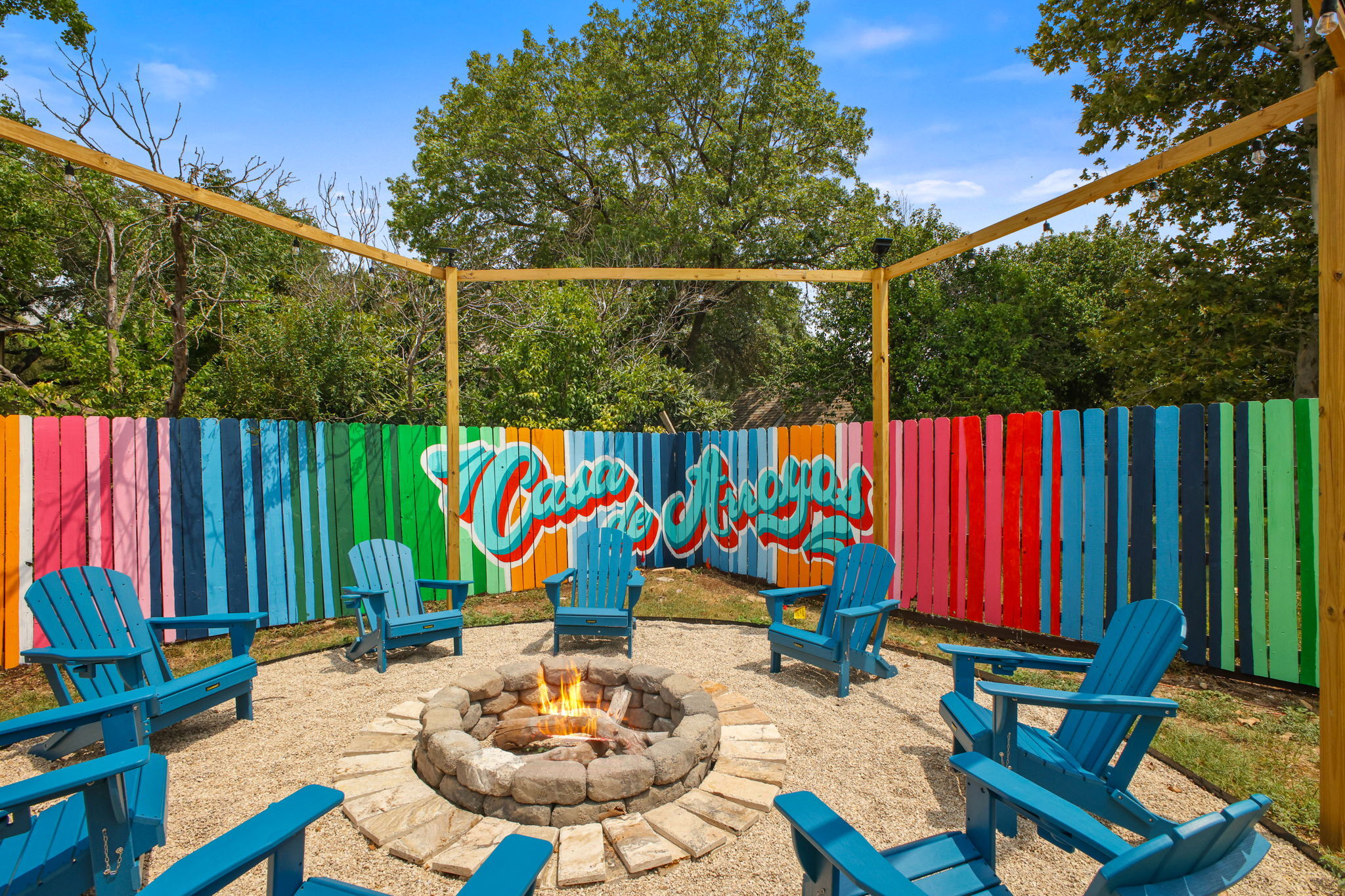
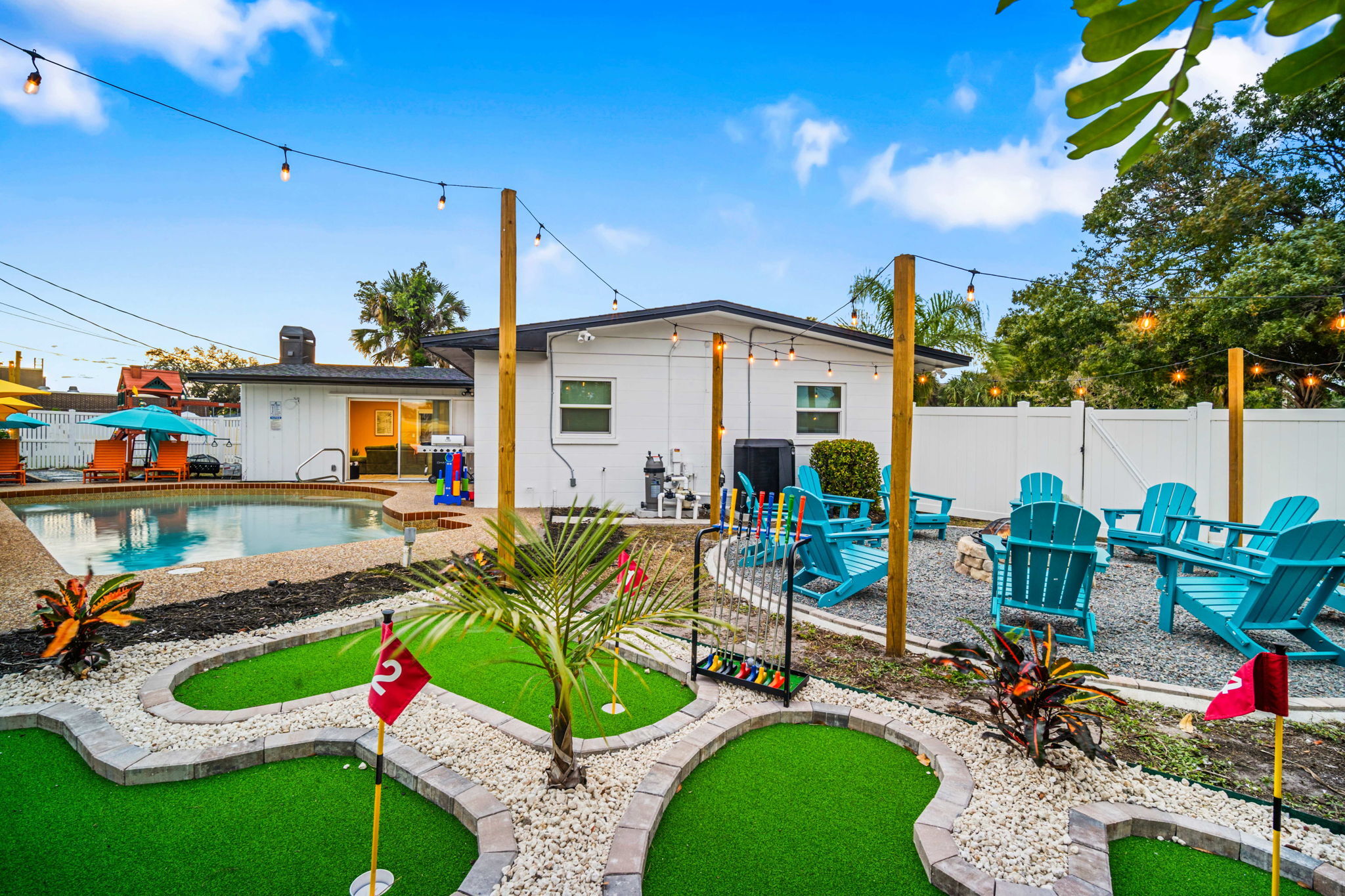
Identify and amplify your property's distinctive elements through strategic branding. This might include architectural features like exposed brick walls or vaulted ceilings, outdoor spaces with exceptional views, or specialized amenities like hot tubs, game rooms, or home theaters. Build your brand story around these elements, explaining their significance and how they improve the guest experience.
Incorporate local culture by partnering with nearby businesses, displaying regional art and crafts, or offering experiences that connect guests with your area's character. Properties that celebrate their location through thoughtful cultural integration achieve higher guest satisfaction and more memorable experiences that generate positive reviews and referrals.
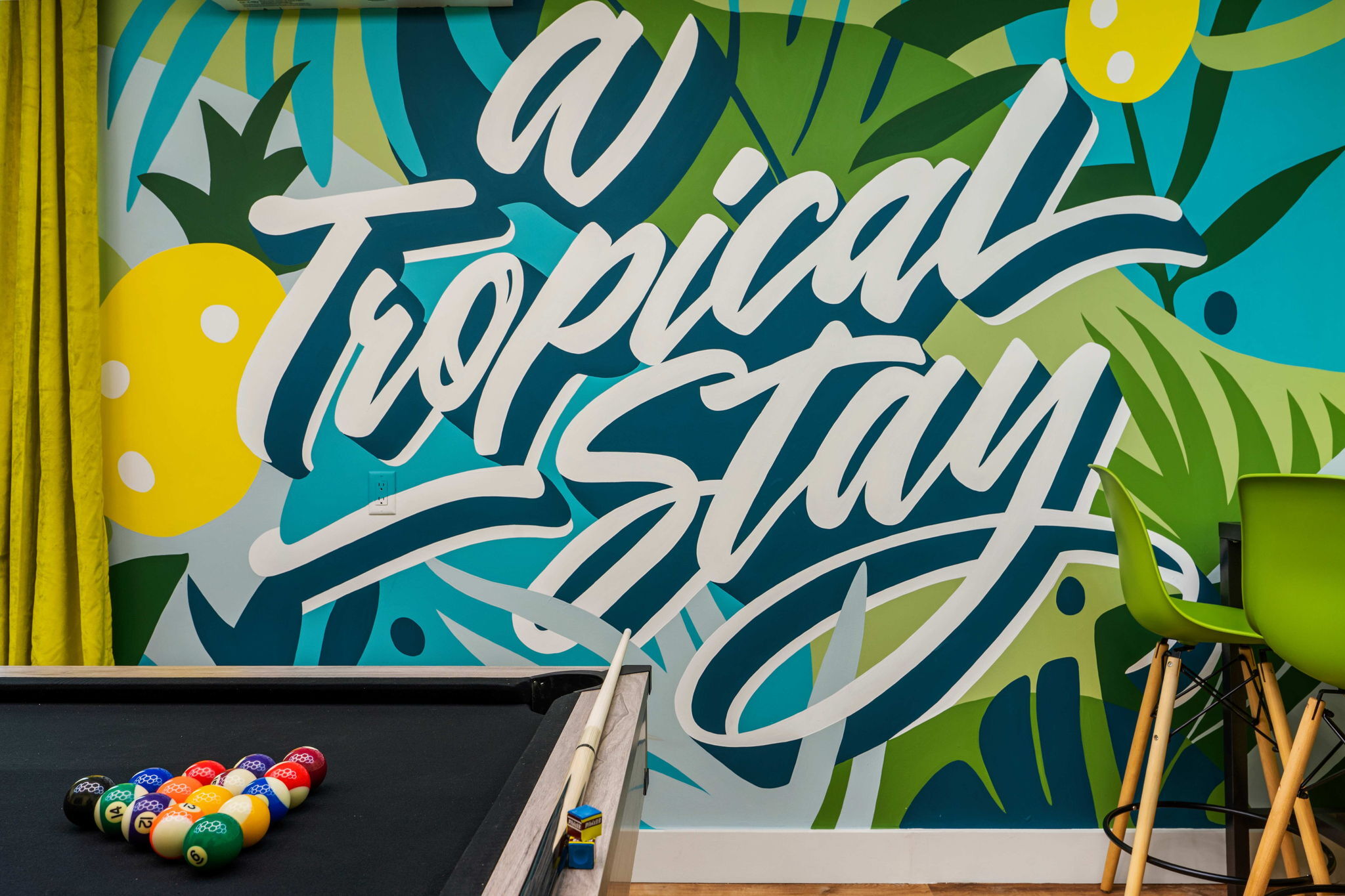
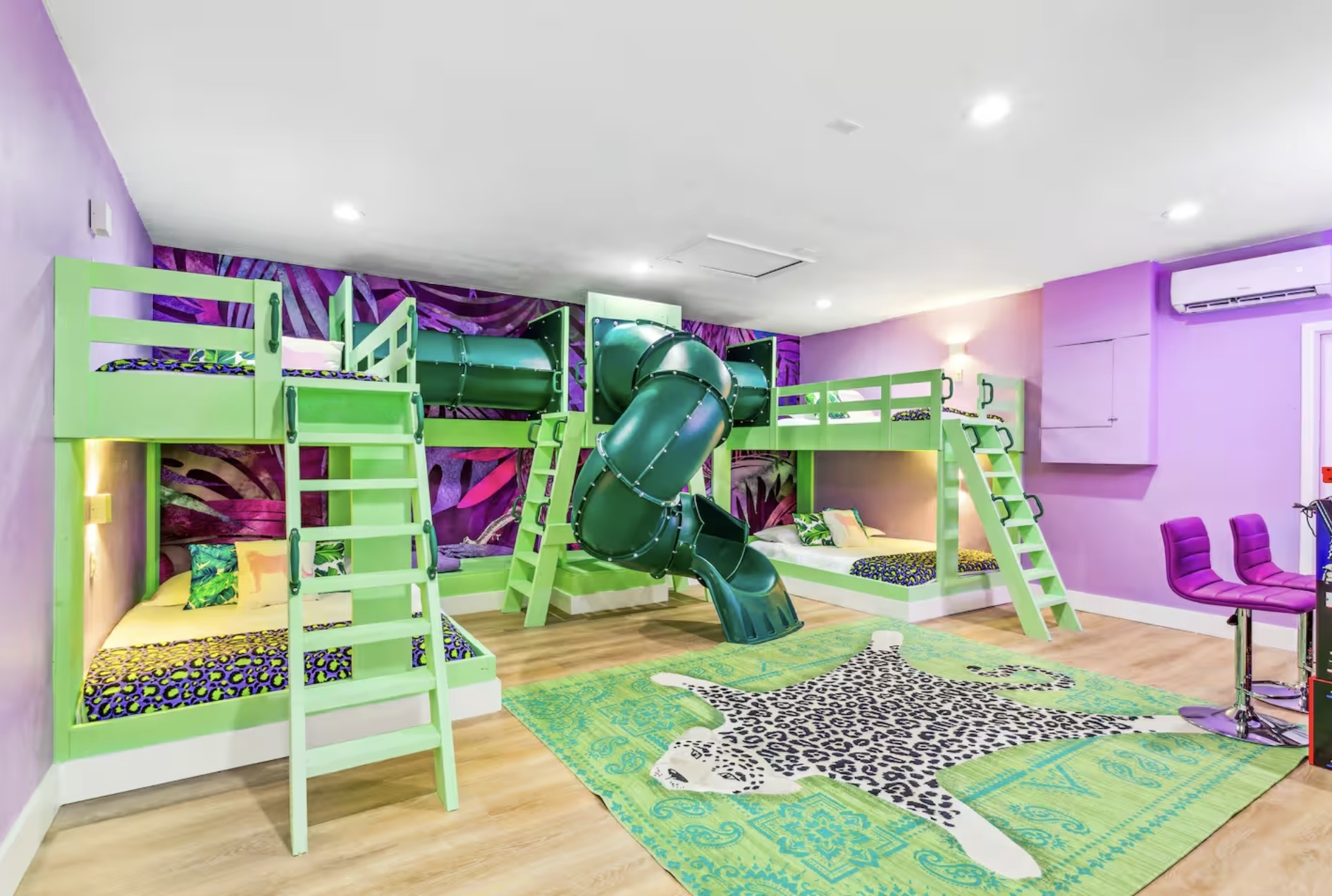
When executed thoughtfully, themed rooms or properties can create powerful brands. Whether it's a mid-century modern retreat, a rustic farmhouse, or an urban industrial loft, consistent theming creates Instagram-worthy moments that guests share on social media, providing organic marketing for your brand.
When featuring unique elements, ensure your branding accurately represents the guest experience to maintain authenticity. Overstating or misrepresenting these elements can lead to disappointed guests and negative reviews that damage your brand reputation. Focus on genuine aspects that improve stays and can be consistently delivered.
Measuring the Success of Your Airbnb Branding Efforts
Tracking performance metrics helps you understand the effectiveness of your branding initiatives and identify areas for improvement. Successful Airbnb property branding should generate measurable improvements in booking rates, guest satisfaction, and overall revenue compared to pre-branding benchmarks.
Monitor primary metrics like occupancy rates, average daily rates (ADR), total revenue, and booking conversion rates. Strong branding increases demand, allowing higher occupancy and premium nightly rates. Track these metrics monthly to identify trends and seasonal patterns for branding adjustments.
Analyze guest reviews for qualitative feedback on your branding efforts. Look for mentions of specific branded elements, overall satisfaction, and improvement suggestions. Positive reviews that highlight your brand strengths indicate successful positioning, while recurring complaints might signal branding elements that aren't meeting guest expectations.
Use social media analytics to measure brand awareness and engagement. Track follower growth, post engagement rates, hashtag performance, and user-generated content featuring your property. High social media engagement often correlates with increased booking inquiries and brand recognition in your target audience.
Implement tools like Google Analytics (for property websites), Airbnb's host analytics, and social media insights to gather comprehensive data about your branding performance. Many hosts use spreadsheets or property management software to track metrics over time and identify the impact of branding initiatives.
Branding Mistakes Airbnb Hosts
Inconsistent Branding Across Platforms
What Not to Do: Using different photos, descriptions, or pricing across Airbnb, VRBO, and social media creates confusion and erodes trust. Inconsistency makes your brand appear unprofessional and can lead to disappointed guests who booked based on different expectations.
Generic, Unmemorable Messaging
What Not to Do: Avoid clichéd phrases like "home away from home" or "perfect getaway" without specific differentiating details. Generic messaging fails to capture attention in search results and doesn't give guests reasons to choose your property over competitors.
Ignoring Guest Feedback and Reviews
What Not to Do: Ignoring reviews or dismissing constructive criticism about your branding. Ignored feedback represents missed opportunities to improve your brand and shows potential guests that you don't prioritize their experience.
Neglecting Visual Brand Consistency
What Not to Do: Using mismatched furniture, random color schemes, or poor-quality photos that don't create a cohesive visual story. Inconsistent visual branding can make spaces feel chaotic and unprofessional, reducing perceived value and booking appeal.
Appealing to Everyone
What Not to Do: Trying to create a brand that satisfies every guest type instead of focusing on your ideal audience. This results in bland, forgettable properties that don't excel at serving any specific guest segment.
Over-promising and Under-delivering
What Not to Do: Creating brand expectations through photos or descriptions that your property can't consistently meet. This mistake leads to negative reviews, decreased trust, and long-term reputation damage that's hard to recover from.
STR Cribs: Your Partner in Data-Driven Airbnb Property Branding
Creating a successful Airbnb property brand requires expertise in design, market analysis, and guest psychology that many hosts lack the time or knowledge to develop. The problem worsens when trying to balance aesthetic appeal with data-driven decisions that maximize revenue.
STR Cribs specializes in solving these problems through data-driven design and renovation services that transform properties into branded experiences that outperform market averages. Unlike traditional interior designers who focus solely on aesthetics, STR Cribs leverages vacation rental market data to inform every design decision, ensuring branding choices align with guest preferences and revenue optimization goals.
Their comprehensive approach handles every aspect of property branding, from concept development and space planning to material selection, furnishing, and renovations. This end-to-end service model ensures brand consistency throughout the property while eliminating the stress and coordination issues of working with multiple vendors.
Consider the recent results of a STR Cribs client in Austin, Texas. After implementing a data-driven branding strategy with targeted design updates and strategic amenity additions, the property achieved a 45% increase in occupancy rates and $38,000 more in annual revenue within the first year. The transformation included creating a cohesive "Urban Oasis" brand that appealed to young professionals and couples seeking a stylish retreat from city life.
STR Cribs operates nationwide (excluding Hawaii and Alaska) and offers financing up to $100,000 for qualifying projects, with 0% introductory rates for qualified borrowers. This financing option makes professional branding accessible to hosts wanting to invest in their property's success without significant upfront capital.
12. FAQ: Additional Airbnb Branding Topics
Q: What are the legal considerations for branding, such as trademarks and copyright?
A: If you plan to expand or license your brand, protect your brand name and logo through trademark registration. Ensure that any branded materials, photos, or content don't infringe on existing copyrights. Clarify ownership rights for all branded assets created for your property when working with designers or photographers.
Q: How do you brand multiple properties?
A: Create a master brand identity adaptable across different properties while allowing each location to maintain its unique characteristics. Develop consistent elements like color palettes, service standards, and communication styles, but customize themes and amenities to match each property's location and target audience. This approach builds brand recognition while avoiding cookie-cutter uniformity.
Q: Should I use seasonal branding strategies?
A: Absolutely! You can incorporate seasonal elements that improve your brand without overwhelming your core identity. This might include holiday decorations that match your color scheme, seasonal amenities like pool accessories in summer, or local seasonal activities in your area guides. Successful seasonal branding creates fresh experiences for repeat guests while maintaining brand consistency.
Q: How do I handle negative reviews regarding my branding?
A: Use negative reviews to demonstrate your brand values. Respond professionally and empathetically, addressing specific concerns while showing potential guests how you handle problems. If reviews identify genuine branding inconsistencies, take corrective action and follow up with guests when possible. Authentic, thoughtful responses to criticism often improve rather than damage your brand credibility.
Conclusion
Successful Airbnb property branding is a powerful strategy for increasing bookings, commanding premium rates, and building a sustainable short-term rental business in today's competitive market. By implementing the branding strategies outlined in this guide, from defining your unique brand identity to optimizing your listing description and leveraging social media, you can create memorable guest experiences that generate positive reviews, repeat bookings, and referrals.
Effective branding is an ongoing process that requires continuous refinement based on guest feedback, market trends, and performance data. Start with small, consistent changes that align with your target audience and brand vision. Then, gradually expand your branding efforts as you see positive results in occupancy rates and guest satisfaction scores.