Sarasota Short-Term Rental Setup: Florida Property Design
A Sarasota vacation rental setup succeeds when the property is legal to operate, easy to maintain, and clear about the guest it serves. Start with jurisdiction and operating requirements, then build the room plan, furnishing budget, installation sequence, and launch checklist around the property itself. This guide covers that order of work for owners preparing a Sarasota-area short-term rental.
Sarasota Vacation Rental Setup Starts With the Address
“Sarasota” can refer to the City of Sarasota, unincorporated Sarasota County, or nearby municipalities and barrier islands. Rules can differ across those boundaries. Confirm the parcel jurisdiction before buying furniture, advertising a minimum stay, or setting an opening date.
The City of Sarasota vacation-rental page states that short-term rentals are allowed in residential zoning districts and identifies a minimum stay of seven full days and seven full nights. The city also provides the registration path and cites the controlling zoning-code sections. County, condominium, homeowners-association, and deed restrictions can add separate requirements.
Pre-Setup Compliance Checklist
- Verify whether the address is inside city limits or another jurisdiction.
- Confirm zoning, minimum-stay, registration, and local business-tax requirements.
- Review condominium, HOA, and deed restrictions.
- Confirm Florida licensing and tax obligations with the relevant state and local agencies.
- Check flood zone, evacuation information, parking, trash, and occupancy constraints.
- Document the rules used for the launch plan and recheck them before publishing the listing.
Regulations change, and this article is not legal advice. Use the official city, county, and state sources for the property address.
Define the Guest and Stay Pattern Before the Design
A setup plan needs a specific operating brief. A downtown apartment serving couples on weeklong cultural trips has different storage, parking communication, and workspace needs than a larger coastal home serving families. The target guest affects bed mix, dining capacity, luggage storage, outdoor equipment, and the balance between decorative and durable finishes.
Write a One-Page Property Brief
Record the expected guest group, legal occupancy, typical stay length, competitive set, nightly-rate range, cleaning cadence, and operational constraints. Then define what the property must do better than nearby alternatives. That may be easier family meals, a credible remote-work station, organized beach gear, or a more comfortable multi-generation layout.
This brief prevents a common setup mistake: buying attractive pieces one at a time without testing whether the whole home supports the same guest and capacity.
Build the Room Plan Around Occupancy
Start with the legal and practical guest count, then plan every shared space for that number. If the home sleeps eight, eight guests need places to dine, sit, store towels, charge devices, and move through arrival and departure without creating bottlenecks.
Bedrooms
- Use mattress sizes and bed configurations that match the target group rather than maximizing headcount at any cost.
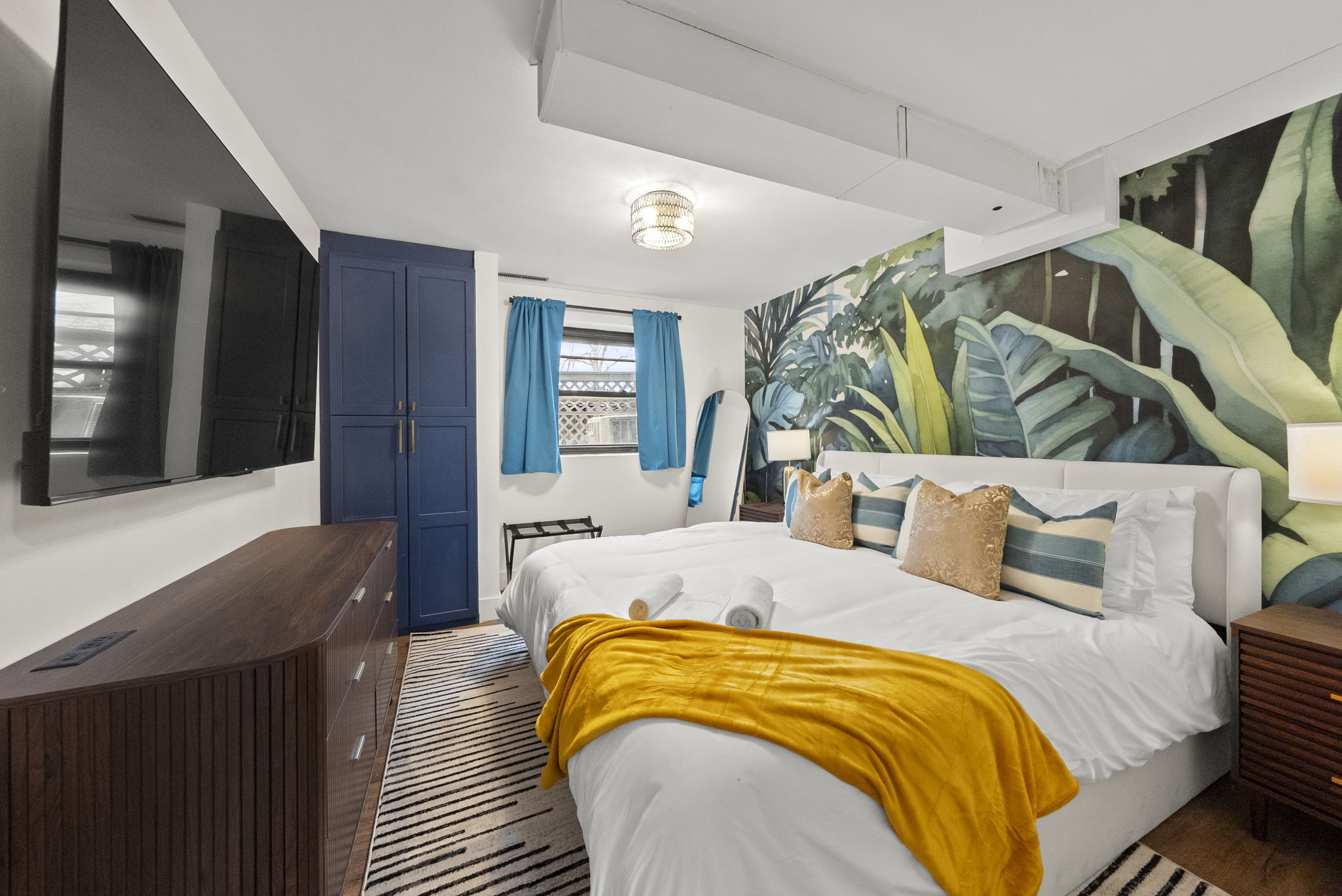
- Provide a reading light, accessible outlet, luggage surface, and clothing storage for each sleeping zone.
- Allow enough clearance for doors, drawers, and housekeeping.
- Use washable layers and replaceable components instead of fragile matched sets.
Living and Dining Areas
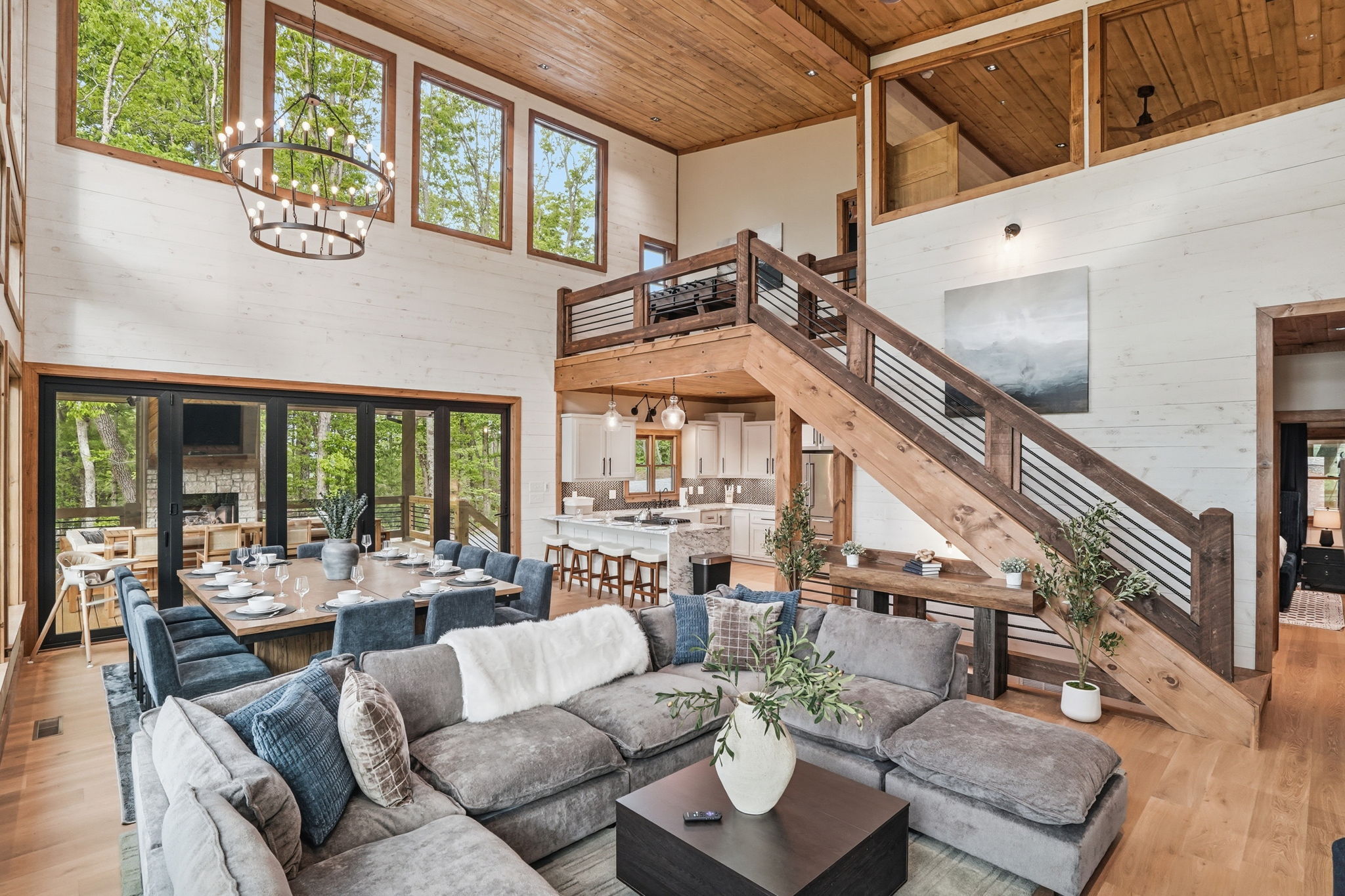
Seat the expected group without relying on bar stools as the only dining option. Keep walkways clear between entrances, bedrooms, kitchens, and outdoor doors. In coastal markets, plan an obvious place for shoes, bags, wet items, and beach equipment so sand and moisture do not travel through the entire property.
Outdoor Areas
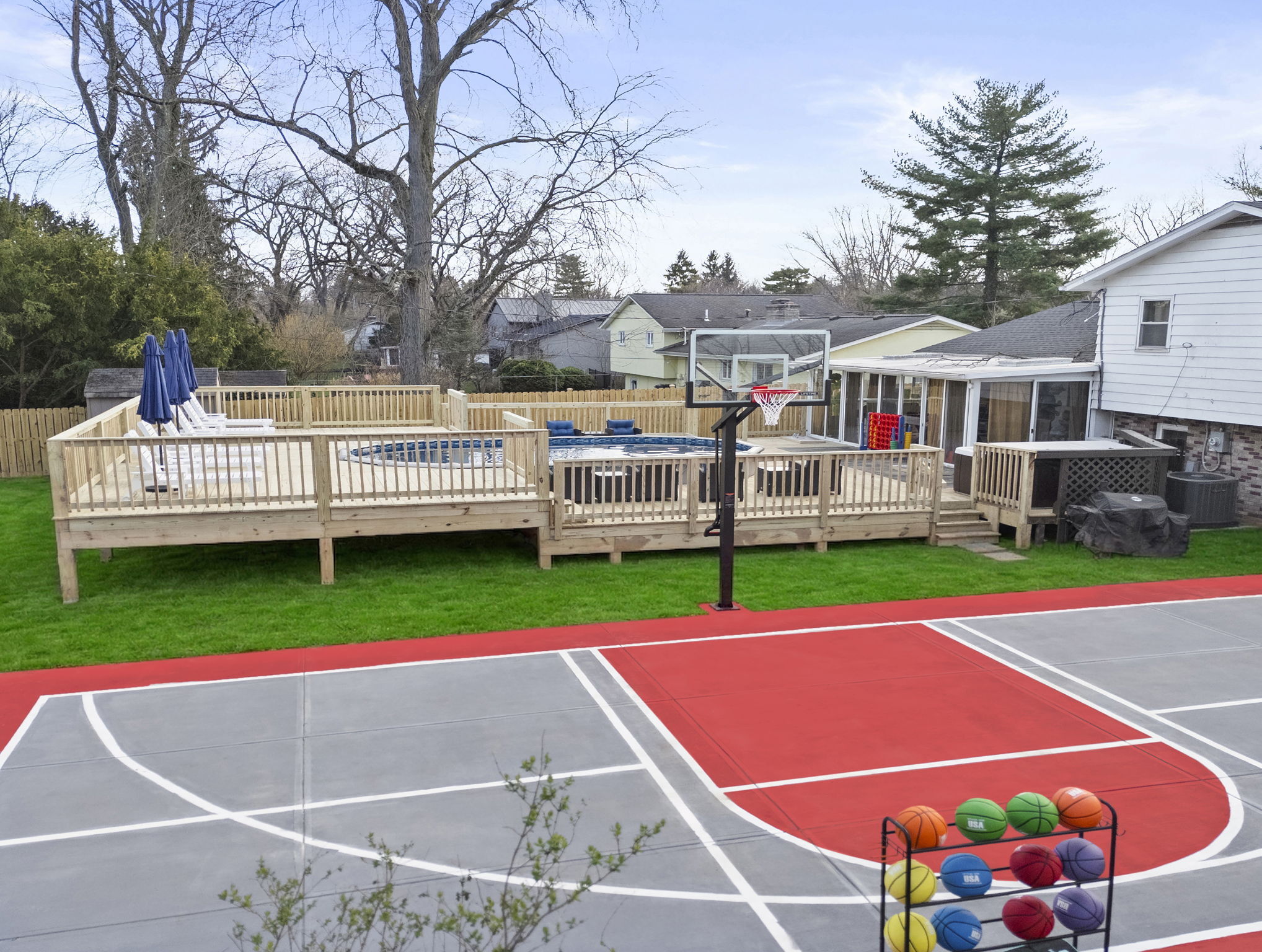
Outdoor space should have a defined purpose and an operating plan. Shade, lighting, seating, storage, noise expectations, pool rules, and weather exposure matter more than filling the area with accessories. Choose materials and hardware suited to sun, humidity, salt air, and frequent cleaning.
Create a Sarasota Furnishing Budget That Includes Installation
A furnishing budget is not just a shopping list. Include freight, receiving, assembly, installation labor, window treatments, wall mounting, styling, damaged-item replacement, photography preparation, and contingency. These costs can materially change the launch total.
Prioritize High-Use Items
Spend first on mattresses, seating frames, dining surfaces, window coverings, lighting, and storage. Select commercial-minded or hospitality-suitable pieces where turnover is highest. Avoid items that are difficult to clean, impossible to replace, or too delicate for the intended guest group.
Specify Before Ordering
Use a room-by-room schedule with dimensions, quantities, finish, vendor, lead time, delivery method, and backup choice. Confirm doorways, stairs, elevators, and final placement before ordering large pieces. A measured specification reduces duplicate purchases and last-minute substitutions.
Owners who want help with the complete visual and procurement scope can review STR Cribs’ Sarasota Airbnb design and furnishing service. This article remains focused on the setup and launch sequence rather than competing with that local service page.
Plan Delivery, Installation, and Turnover as One Sequence
Staggered deliveries create cost and damage risk when no one owns receiving and installation. Build a schedule that identifies where goods arrive, who checks them, where packaging goes, and when rooms become available to the photographer and cleaning team.
- Finish construction, paint, and deep cleaning before furniture installation.
- Receive and inspect major items against the specification.
- Install furniture, window treatments, lighting, and wall-mounted pieces.
- Stock kitchens, baths, bedrooms, and owner storage by counted capacity.
- Test appliances, locks, internet, televisions, plumbing, lighting, and safety equipment.
- Complete a final clean, styling pass, and photo-readiness check.
- Photograph the finished property only after substitutions and punch-list work are complete.
Use a Launch Checklist Before the Listing Goes Live
A finished room is not an operating rental. Walk the property as a guest, cleaner, and manager before opening the calendar.
Guest Readiness
- Confirm the listing capacity matches beds, seats, dishes, linens, and parking.
- Test arrival instructions, smart locks, Wi-Fi, climate controls, and emergency information.
- Label only what needs explanation and remove owner or contractor materials.
- Make house rules consistent with local requirements and the physical property.
Cleaning and Maintenance Readiness
- Create a turnover checklist with photos or placement notes for items that must reset consistently.
- Keep labeled spare linens, touch-up materials, filters, batteries, and replacement essentials.
- Document shutoffs, breaker panels, appliance models, warranties, and vendor contacts.
- Schedule inspections for high-wear furniture, exterior areas, and moisture-prone spaces.
A repeatable turnover system protects the design after launch. The Airbnb deep-clean checklist can help define periodic work beyond the standard same-day reset.
Measure the Setup After Launch
Review guest questions, maintenance tickets, cleaner notes, listing-photo performance, and room-specific complaints after the first stays. A recurring question often signals an unclear instruction or missing feature. Repeated damage can indicate the wrong material or a circulation problem. Use those observations to adjust the property rather than redesigning from isolated opinions.
Sarasota Vacation Rental Setup FAQs
What is the minimum stay for a vacation rental in the City of Sarasota?
The City of Sarasota’s official registration page states a minimum stay of seven full days and seven full nights for short-term vacation rentals within city limits. Verify the address and current code before listing because nearby jurisdictions and private restrictions may differ.
What should a Sarasota vacation rental setup budget include?
Include furniture, freight, receiving, assembly, installation, window treatments, lighting, housewares, linens, styling, damaged-item replacement, photography preparation, and contingency. Renovation and permitting costs should be tracked separately.
Should design happen before checking local rules?
No. Confirm jurisdiction, permitted use, occupancy, minimum stay, registration, and private restrictions first. Those requirements can change the room plan, operating model, and launch schedule.
How long does furnishing and setup take?
The schedule depends on property scope, product lead times, construction, receiving, and installation access. Build the schedule from confirmed selections and delivery dates rather than promising a fixed timeline before the scope is known.
What should be ready before listing photography?
Complete installation, punch-list work, testing, final cleaning, styling, and any product substitutions. Photography should represent the guest-ready property accurately.