VRBO Interior Design: Complete Vacation Home Guide
Is your VRBO listing in a prime location with great amenities but struggling to stand out in a competitive market? In today's saturated vacation rental market, professional interior design isn't just a nice-to-have; it's a critical differentiator that can impact your booking rate and revenue. Our vacation home design guide explores how strategic design choices can transform your property's appeal and profitability.
When potential guests scroll through VRBO listings, they make split-second decisions based on your photos. Your property's interior design creates the crucial first impression that either stops a scroller or sends them to the next option. Whether you're focusing on beachfront property design or other vacation rental styles, mastering VRBO interior design is key to capturing attention, commanding premium rates, and maximizing your investment's potential.
This guide goes beyond generic decorating tips to provide a framework for creating a high-performing vacation rental. Whether you're furnishing your first property or refreshing an existing one, you'll discover how data-driven styling decisions can transform your VRBO listing from average to exceptional, and your revenue from modest to impressive.
Why VRBO Design is Important to Returns
Many property owners view interior design as an unavoidable cost to minimize rather than optimize. This misses the truth: strategic design is a powerful revenue driver for your short-term rental business. Well-designed properties command a higher Average Daily Rate (ADR) because guests perceive greater value in professionally curated spaces.
Consider the "scroll-stop" effect. When potential guests search on VRBO, you have seconds to capture their attention. The quality and appeal of your interior design showcased through professional photography is the most important marketing asset for your Short-Term Rental (STR), directly impacting short-term rental profitability. It's what makes a browser pause, click, and book.
The ROI of strategic design manifests in multiple ways:
- Higher Occupancy Rates: Well-designed, comfortable spaces attract more year-round bookings and encourage repeat guests eager to return.
- Increased Nightly Rates (ADR): Guests are willing to pay a premium: 20-40% more for a "boutique hotel" experience over a generic space.
- 5-Star Reviews: Glowing reviews mentioning ambiance and comfort are generated by thoughtful touches and cohesive design, boosting your listing's algorithm ranking.
- Reduced Wear & Tear: Professional STR design prioritizes durable, commercial-grade furnishings, reducing replacement costs and maintenance headaches over time.
5 Principles of VRBO Interior Design
Before choosing a paint color or buying a sofa, understand the principles that separate amateur decorating from professional vacation rental design. These concepts will guide your decisions and help you create a beautiful, profitable space, whether you're working on beachfront property design or an urban rental.
1. Define Your "Guest Avatar" and Vibe
The first rule of successful VRBO design is recognizing you're not designing for yourself; you're designing for your ideal guest. Who are they? Families with young children needing kid-friendly spaces? Couples seeking a romantic getaway? Groups of friends planning a ski trip?
Once you've identified your target guest, craft a cohesive "vibe" or theme that appeals to them. Your aesthetic should be sophisticated and aligned with your location and target demographic, whether it's "Modern Mountain Retreat," "Coastal Calm," or "Urban Industrial Loft." Avoid kitschy themes or personal quirks that might alienate guests. The goal is a distinctive but broadly appealing environment.
2. Prioritize Durability and Cleanability
This principle is non-negotiable for successful vacation rentals. Your VRBO property will experience constant turnover and varied use patterns, unlike your personal home, making durability essential. Invest in:
- Performance fabrics like Crypton or Sunbrella resist stains and wear.
- Non-porous countertops (preferably quartz over marble)
- Luxury vinyl plank (LVP) flooring in high-traffic areas
- Washable bedding and window treatments
Choosing durable furniture for rentals isn't just about preventing damage. It's a smart financial strategy that avoids constant replacements and negative reviews about worn-out furnishings. Guests expect pristine conditions, and durable materials make this standard easier to maintain.
3. Master "Instagrammable Moments"
Today's travelers love sharing their experiences on social media, creating a marketing opportunity for your property. Create at least one unique, photogenic vignette within your rental that encourages guests to take photos and share them online.
These "Instagrammable moments" include:
- A stylish reading nook with a statement chair and good lighting.
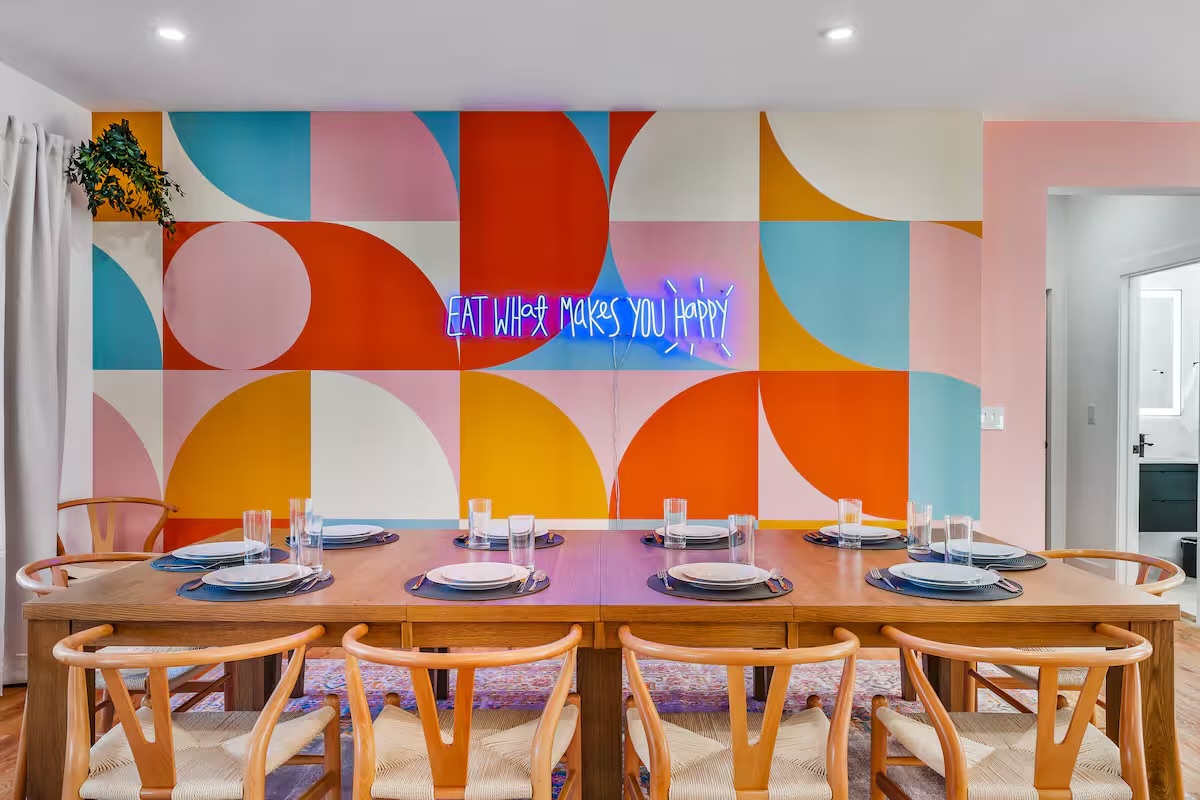
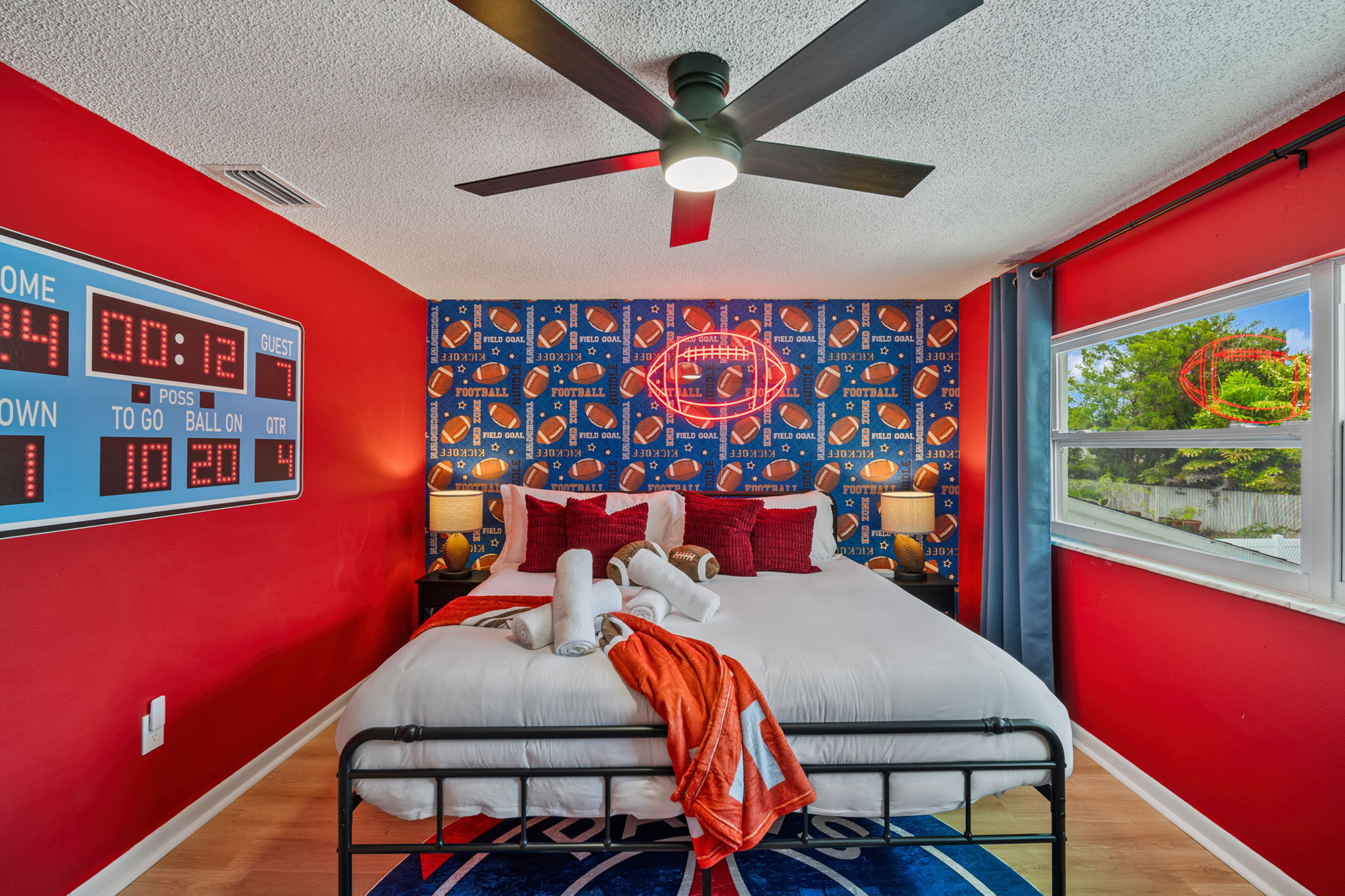
- A feature wall with eye-catching wallpaper or artwork.
- A well-designed coffee bar with local beans and beautiful mugs.
- A neon sign with a fun local phrase or welcome message.
When guests share these moments on social media, they provide valuable free marketing for your property and create social proof that influences future bookings.
4. Functionality is King
No matter how beautiful a space looks, it fails as a vacation rental if it doesn't function well for travelers. Consider the practical needs of guests in an unfamiliar environment:
- Luggage racks or designated suitcase space in every bedroom.
- Ample accessible power outlets with USB ports throughout
- A fully equipped kitchen with quality essentials for meal preparation.
- Blackout curtains in bedrooms for quality sleep.
- Clearly labeled switches
These functional elements directly impact guest satisfaction and are frequently mentioned in 5-star reviews. Their absence leads to frustration and lower ratings, regardless of your space’s attractiveness.
5. Strike the Perfect Balance: Personal vs. Impersonal
Successful vacation rentals have character and charm without feeling intrusive. Avoid family photos, specific religious imagery, or polarizing art that might make guests uncomfortable.
Instead, create personality through:
- Art that connects to the destination
- Interesting coffee table books related to the area or property theme
- High-quality, selected decor that enhances your vibe
- Subtle nods to local culture that create a sense of place.
The goal is a character-filled space that functions as a blank canvas for guests to project their vacation experiences and create memories.
Using Data to Drive Design Decisions
Successful STR investors leverage market data to inform every design decision instead of relying on guesswork or personal taste. This data-driven design approach removes subjectivity and ensures every dollar spent contributes directly to your property's performance.
What data should influence your design choices? Key metrics to analyze:
- Competitive Analysis: Study the top properties in your market. What amenities do they prominently feature? Which design styles dominate the highest-rated listings? This intelligence reveals what works for successful hosts in your area.
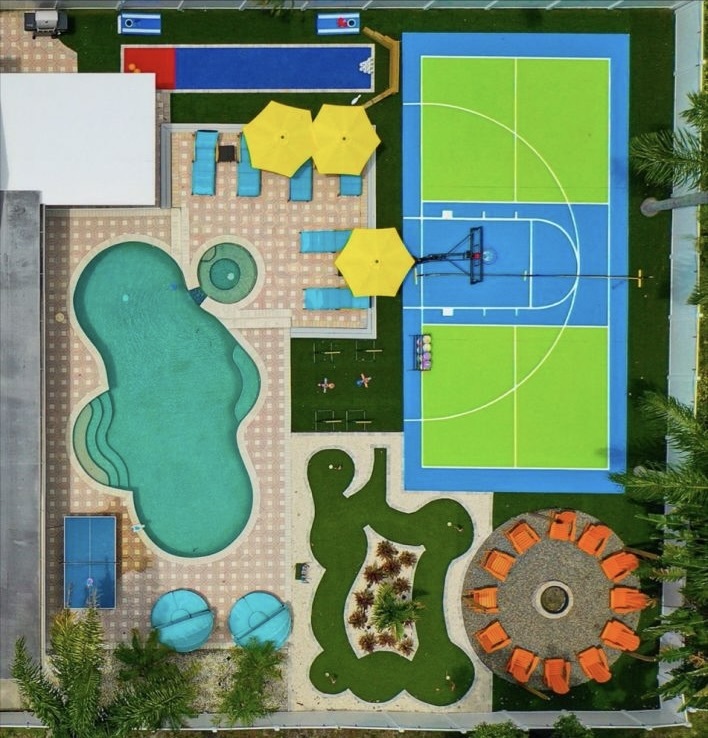
- Occupancy Data: Certain design features correlate with higher booking rates in specific markets. In beach markets, properties with outdoor showers achieve 22% higher occupancy, while mountain rentals with hot tubs command 35% more bookings in winter.
- Guest Demographics: Knowing who travels to your area helps prioritize design elements. If data shows 80% of visitors are families with children, investing in bunk beds and a game room delivers better ROI than a second master suite. Conversely, if couples are your primary demographic, focusing on romantic elements like a luxurious primary suite and intimate dining makes more sense.
The professional strategy for furnishing a vacation rental for maximum profit is a data-driven approach. It removes ego and emotion, ensuring every design choice serves business objectives rather than personal preferences.
Room-by-Room Design Strategies
Let's apply these principles to your property's key spaces. Here are actionable vacation rental decorating ideas for each room to maximize your booking potential.
The Living Room
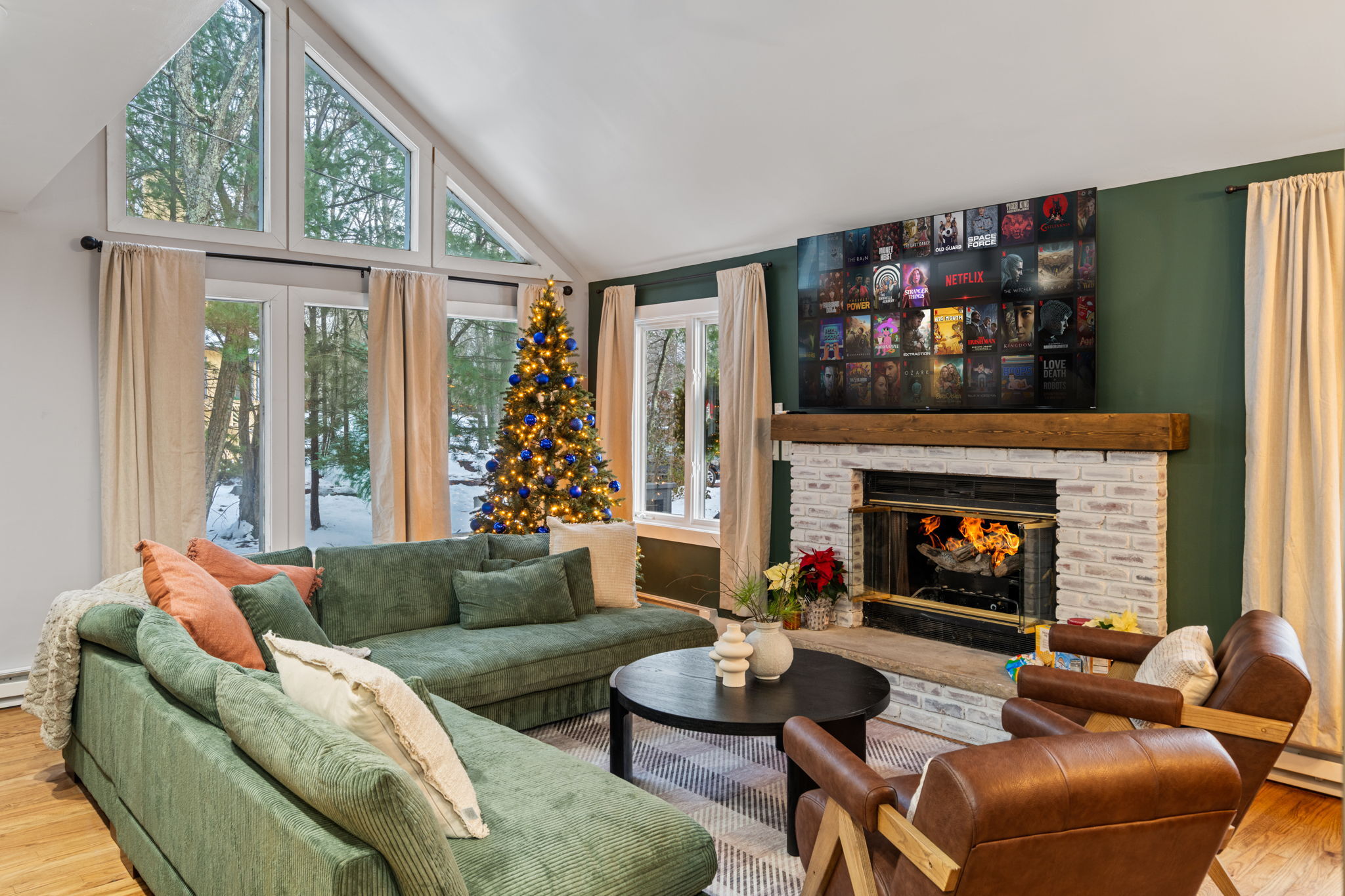
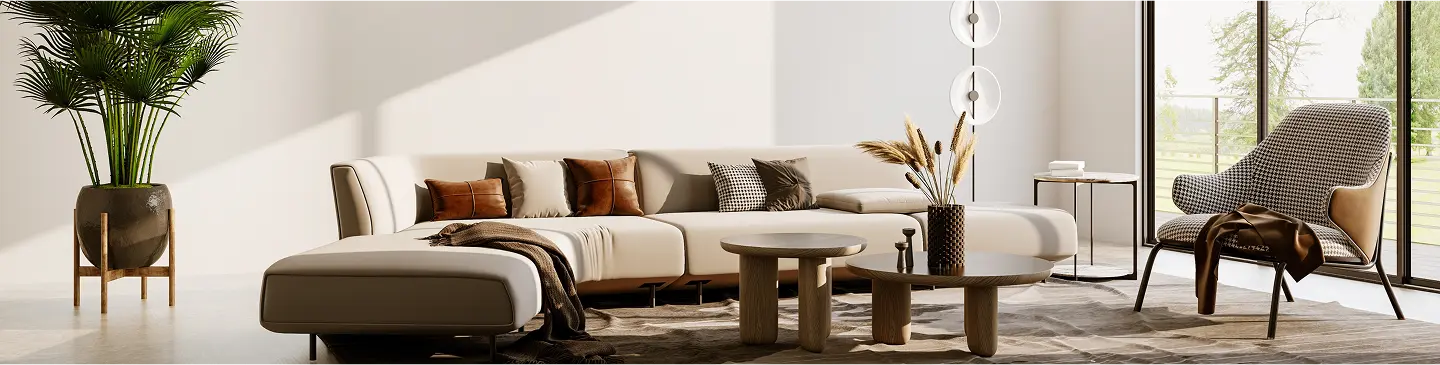
- Seating: Choose a large, comfortable sectional in a performance fabric. Ensure seating for at least your maximum occupancy, with a layout that encourages conversation.
- Technology: Mount a large smart TV with easy access to streaming services. Provide clear instructions and adequate HDMI cables for guests to connect their devices.
- Lighting: Implement layered lighting with overhead ambient light, task lighting (reading lamps), and accent lighting for atmosphere. Install dimmers.
- Focal Point: Design around a clear focal point, such as a fireplace, TV, or view. Arrange furniture to direct attention to this feature.
The Kitchen
- Stocking: Go beyond basic necessities. Provide quality cookware, sharp knives, and ample dishware for maximum occupancy plus a few extra. A well-equipped coffee station with multiple brewing options is mentioned in positive reviews.
- Durability: Invest in quartz or granite countertops that resist staining and damage. Avoid laminate surfaces that quickly show wear.
- Seating: If space allows, incorporate bar seating at the island in addition to a dining table. This flexibility accommodates different guest preferences and group activities.
- Organization: Use clear cabinet labels to help guests find items easily. This simplifies inventory checks for your cleaning crew and reduces lost items.
The Bedrooms
- Beds: This is your top priority. Invest in high-quality, comfortable mattresses and pillows, offering both firm and soft options. King beds are a major draw and can boost your ADR, especially in the primary bedroom.
- Bedding: Use all-white, hotel-quality, easily bleachable linens for a clean, luxurious feel. Provide extra blankets in various weights for different temperature preferences.
- Function: Every bedroom needs a designated luggage space (a bench or luggage rack), a full-length mirror, and effective blackout curtains or shades.
- Outlets: Ensure each side of the bed has accessible charging stations with standard and USB outlets. Few things frustrate guests more than hunting for a place to charge their devices.
The Bathrooms
- Amenities: Provide high-quality, bulk-dispensed soap, shampoo, and conditioner. This eco-friendly approach creates a more upscale impression than tiny bottles.
- Towels: Offer plentiful, fluffy white towels that can be bleached between guests. The luxury of abundant, high-quality towels generates consistent positive feedback.
- Storage: Ensure adequate counter space for guests' toiletries and hooks for towels and clothing. Clear counters signal cleanliness and care.
- Lighting: Install good vanity lighting that evenly illuminates faces without harsh shadows. A backlit mirror adds luxury that photographs well and enhances the guest experience.
Photograph the cabin honestly across relevant seasons. Disclose stairs, road access, snow requirements, wildlife, limited cellular service, well or septic constraints, and any feature that changes seasonally. Architecture may attract the booking, but accurate expectations and reliable operations protect the stay.
Plan for sand, mud, snow, wet gear, firewood, insects, and temperature swings. Specify cleanable flooring at entries, protected upholstery, washable layers, secure exterior storage, and accessible cleaning routes. Inspect fireplaces, chimneys, decks, railings, heating systems, pipes, and snow or wildfire equipment on schedules appropriate to local rules and manufacturers.
Designing a Vacation Home for Guests and Owner Stays
A vacation home can serve two audiences: paying guests who need an intuitive, uncluttered stay and owners who want personal convenience. Establish that operating model before buying furniture. If the property will alternate between rental and private use, separate guest-ready inventory from personal possessions so every turnover produces the same advertised experience.
Protect Guest Space and Owner Storage
- Reserve clearly labeled, accessible closets and drawers for guests in every sleeping area.
- Move owner supplies, sentimental pieces, documents, medicines, and valuables into locked storage outside guest circulation.
- Keep the kitchen and bathrooms consistent with the published inventory instead of changing supplies between owner visits and bookings.
- Use a written owner-departure checklist covering food, laundry, thermostat settings, access devices, outdoor equipment, and personal items.
Do not furnish a rental with irreplaceable pieces. Select repairable furniture and locally meaningful art that can tolerate normal hospitality use, and document anything requiring special care for the turnover team.
Create an Authentic Sense of Place
Use the destination as design context rather than as a theme. Draw colors and materials from the landscape, commission or license work from local artists, and reference regional craft through a few durable pieces. Verify the creator, cultural context, and permission before presenting an object as locally or culturally significant. Avoid generic souvenir décor, copied art, stereotypes, and signs that compete with the architecture.
Adapt the operating details to the setting: corrosion-resistant hardware and sand control at the coast; boot, coat, and equipment storage in mountain or ski markets; blackout control and cooling in hot climates; and insect, moisture, or storm procedures where relevant. Describe views, access, weather exposure, and seasonal limitations accurately in the listing.
Plan Functional Guest Zones
Map the full stay rather than decorating room by room. Provide an arrival drop zone for bags, keys, shoes, and outerwear; a coffee or beverage station that does not block cooking; luggage surfaces and empty storage in bedrooms; reachable outlets and reading lights; and a workspace only when it has a supportive seat, power, light, and reliable connectivity. Label unfamiliar switches, thermostats, appliances, and storage without covering the home in instructions.
Validate Design Decisions Against the Market
Review comparable listings by capacity, property type, location, season, and guest segment. Record recurring amenities, sleeping arrangements, accessibility details, photo strengths, and complaints in reviews. Treat those observations as hypotheses—not proof that one feature causes higher revenue. Set a complete installed budget, prioritize safety and operational gaps, and measure listing engagement, achieved rate, occupancy, review themes, maintenance, and replacement costs after launch.
A Repeatable Vacation-Home Design Process
- Define the operating brief: target guests, occupancy, owner-use pattern, seasons, accessibility needs, rules, and budget.
- Survey and plan: verify dimensions, utilities, egress, circulation, storage, sleeping capacity, and code constraints.
- Develop the concept: connect the property to its setting while choosing durable, maintainable finishes.
- Specify and procure: document quantities, lead times, alternates, warranties, delivery access, and responsibilities.
- Install and test: assemble, anchor where necessary, operate every appliance and control, stock to par, and resolve defects.
- Stage and document: photograph the actual guest setup, create inventories and turnover standards, then update the listing.
Property-Specific Example: Cabin and Log-Cabin Interior Design
Cabin Durability and Seasonal Operations
- Living room: create a durable gathering layout sized to occupancy, anchor it with a large cleanable rug, and preserve safe fireplace clearances.
- Kitchen: combine modern full-size appliances, adequate preparation space, task lighting, and a stocked group kitchen with restrained wood, stone-look, or dark-metal details.
- Bedrooms: prioritize supportive mattresses, layered climate-appropriate bedding, blackout treatments, bedside lighting, charging, luggage space, and a bench or chair where room permits.
- Bathrooms: use moisture-safe stone or porcelain, strong ventilation, bright mirror lighting, practical towel storage, and one well-maintained feature such as a walk-in shower or soaking tub where the property supports it.
- Entry: provide boot trays, hooks, benches, drying space, and gear storage suited to snow, mud, hiking, or lake use.
Room-by-Room Cabin Priorities
Layer ambient, task, and accent lighting. A statement fixture can define a tall room, but reading lamps, under-cabinet lighting, stair lighting, and warm evening sources make the space functional. Avoid relying on one bright ceiling fixture.
Great rooms with high ceilings, large windows, and substantial fireplaces need furniture and lighting at a comparable scale. One correctly sized sectional and large rug often works better than several undersized pieces. Arrange seating to support conversation, views, and the fireplace while keeping routes to doors and stairs clear. In smaller cabins, use legible zones and storage furniture rather than oversized lodge pieces.
Scale Furniture to Cabin Architecture
Natural materials still need rental-grade specifications. Check stain resistance, cleanability, flame and slip requirements, moisture exposure, and replacement availability. Use faux fur or hides only when they fit guest expectations and can be sanitized reliably.
- Wood: vary tone and finish so furniture does not disappear into log walls. Reclaimed or weathered accents can complement rather than imitate the structure.
- Stone: use it for visual weight at fireplaces, hearths, entries, or durable wet-area surfaces, subject to structural and maintenance requirements.
- Metal: blackened steel, aged brass, bronze, and iron can add contrast through lighting, rails, and hardware.
- Textiles: layer wool-like throws, performance upholstery, washable rugs, and soft window treatments to balance hard surfaces and improve acoustic comfort.
- Color: warm white, beige, muted gray, forest green, deep blue, terracotta, and charcoal can support the landscape without competing with dominant wood tones.
Cabin Materials, Color, and Texture
Choose one clear direction. A traditional lodge can emphasize weathered wood, leather, iron, warm textiles, and classic silhouettes. A modern-rustic cabin can pair structural timber with simpler furniture, contemporary lighting, abstract art, and quieter colors. Mixing old and new intentionally prevents either style from becoming a one-store theme.
Use exposed logs, beams, stone, and large windows as focal points. Avoid filling rooms with generic bear figures, slogan signs, excessive plaid, or unrelated rustic props. A restrained mix of inherited character and contemporary comfort feels more specific to the property and is easier to clean and maintain.
Authentic Lodge, Not Decorative Kitsch
Cabins are a useful example of adapting general vacation-rental principles to a strong architectural identity. Preserve the structure and landscape connection without turning every surface into a theme. Guests should experience real wood, stone, views, warmth, and gathering space alongside reliable kitchens, bathrooms, connectivity, storage, and sleep comfort.
DIY Design vs. Hiring a Professional STR Design Firm
The DIY vacation rental design approach can be rewarding for property owners with design expertise, time, and local connections. You'll have complete control and save on design fees. However, be honest about the challenges: sourcing commercial-grade furniture can be difficult without trade accounts, coordinating deliveries and installation is time-consuming, and mistakes can be costly in replacement expenses and lost booking revenue.
For most investors, especially those managing properties remotely or juggling multiple responsibilities, professional design assistance represents a smart resource allocation. A design firm specializing in STRs provides an investment strategy that maximizes your property's earning potential. They understand market dynamics, have access to trade-only furnishings, and manage the entire process from concept to installation.
The Gold Standard: A Data-Driven Partner Like STR Cribs
Not all design firms are equal. A specialist firm in the vacation rental market offers an advantage. STR Cribs, the leader, pioneers a data-driven approach to STR design that delivers measurable results.
- Data-Driven Decisions: STR Cribs doesn't rely on guesswork or generic formulas. They analyze your market data to build a design concept aimed at maximizing your property's potential within its competitive landscape.
- Proven Results: Clients reported up to a 64% increase in occupancy rates, 40% higher average daily rates, and an average of $50,000 more in annual revenue compared to comparable properties.
- End-to-End Service: Their solution covers everything from design visualization and space planning to material selection, furnishing, and full-scale renovations. They handle the entire process, eliminating the need to coordinate multiple vendors.
- Nationwide Network: STR Cribs has a reach across the continental U.S. and a network of vetted contractors and installers, ensuring quality and consistency regardless of your property's location.
- Accessible Investment: STR Cribs offers financing up to $100,000 for furnishing to make this upgrade accessible to all investors, with 0% intro rates for qualified borrowers. This allows property transformation without depleting capital reserves.
Professional Photography After VRBO Design
If your listing photos don't showcase your investment in exceptional VRBO interior design properly, it's wasted. Professional photography isn't optional, it's the critical final piece that translates your design investment into bookings.
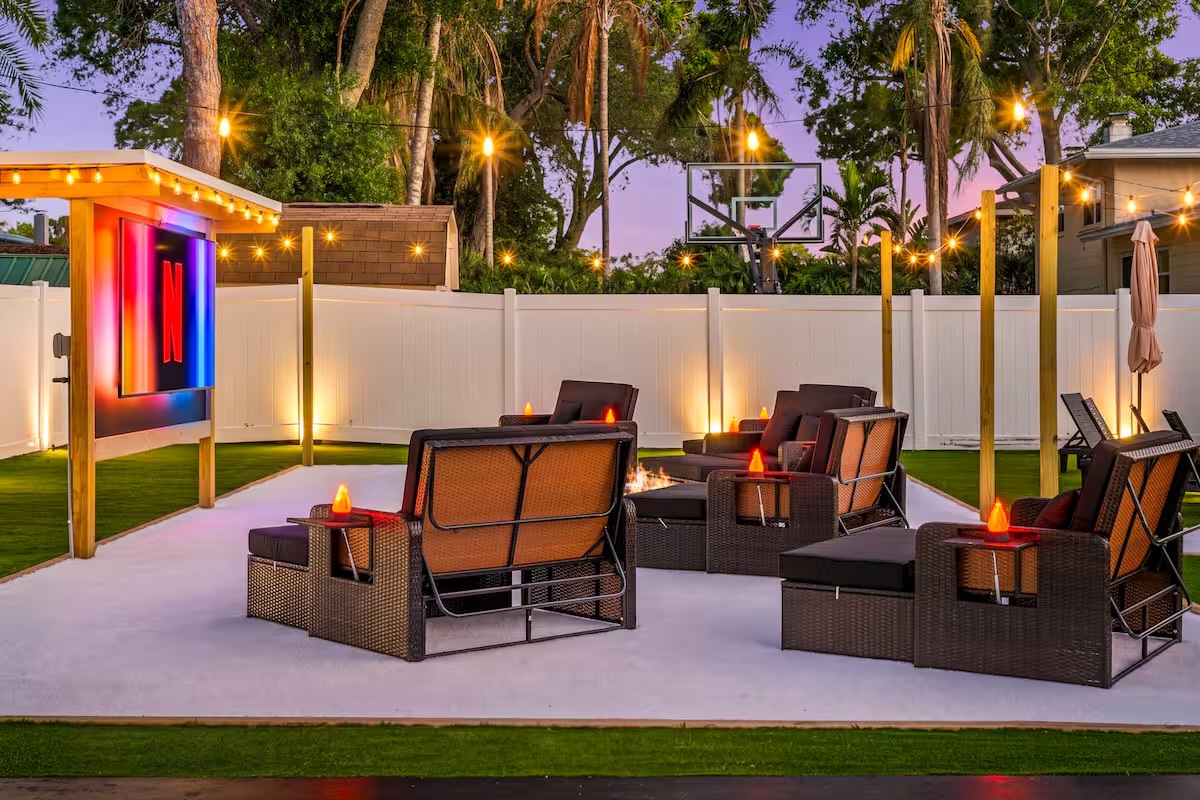
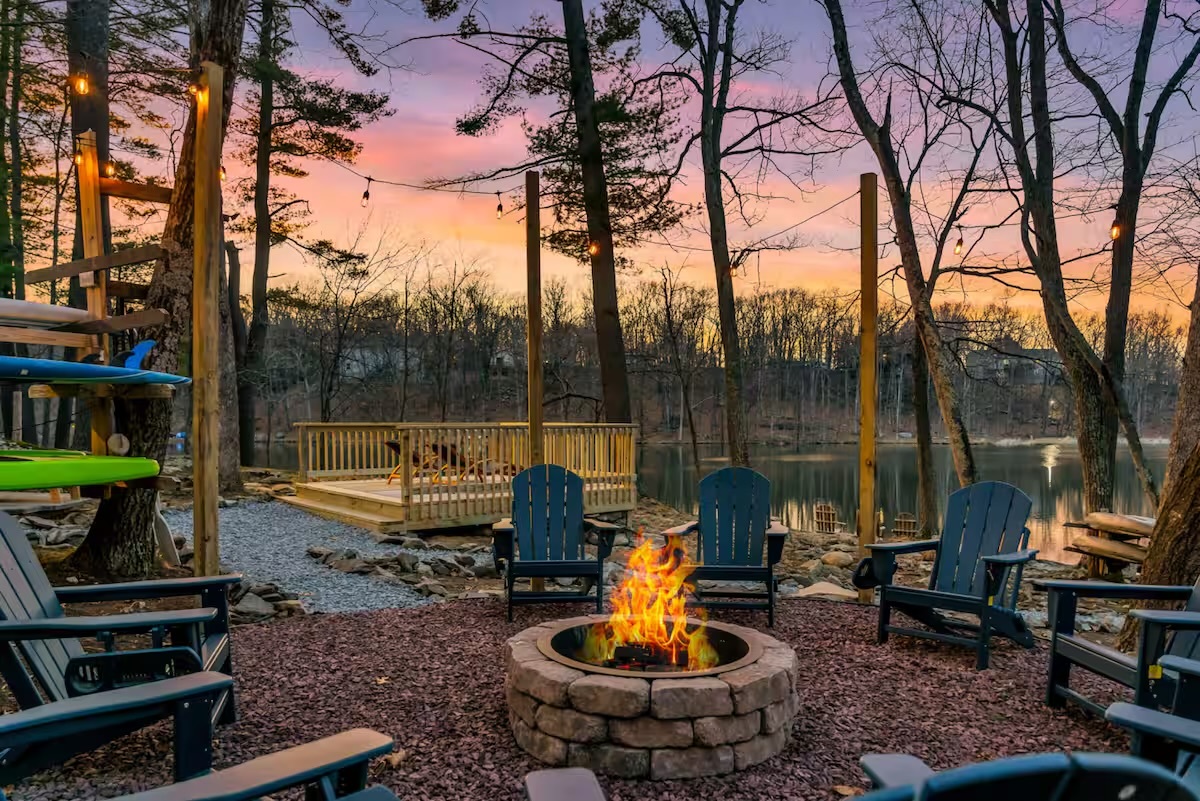
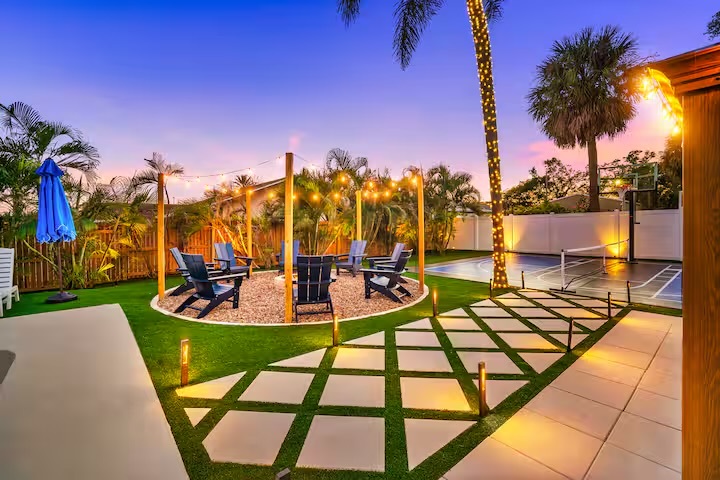
When planning your photoshoot, hire a photographer experienced in real estate or architectural photography. This ensures your space is captured with proper lighting, composition, and perspective. Prioritize wide-angle views of each room to demonstrate spaciousness, detailed vignettes of your "Instagrammable moments" and amenities, and twilight exterior shots for a magical first impression. These high-quality images will stop scrollers and convince them to book your property over the competition.
Conclusion
Successful VRBO interior design goes beyond attractive decor. It is a blend of understanding your target guest, prioritizing durability and function, and using market data. Proper execution makes design the most powerful lever to increase VRBO bookings and maximize ROI.
This guide will help you get started, but partnering with experts ensures you get it right the first time. This saves costly trial-and-error and maximizes your revenue potential from day one. The difference between an average and exceptional vacation rental often comes down to design execution, representing tens of thousands in annual revenue.