Beach House Interior Design: A Complete Guide
Beach house interior design should feel relaxed, bright, and connected to the coast without relying on seashell prints or novelty signs. The strongest interiors pair a restrained coastal palette with natural texture, durable materials, and a layout built around the view. In a short-term rental, every choice also needs to handle sand, salt air, humidity, sunlight, and frequent guest turnover.
This guide explains how to design a beach house interior room by room, from the color palette and furniture plan to lighting, fabrics, storage, and outdoor spaces. The goal is a cohesive home that photographs well, feels easy to use, and remains attractive through repeated stays.
What Defines Modern Beach House Interior Design?
Modern beach house interior design is light and casual, but it is not empty or overly themed. It borrows color and texture from the setting, then uses clean shapes and practical materials to keep the rooms calm. White, sand, driftwood, pale blue, and muted green often form the foundation. Woven fibers, warm wood, linen-like fabrics, and stone add depth.
The best coastal interiors also respond to the specific property. A Gulf Coast cottage may suit soft aquas and weathered oak, while an Atlantic home may call for navy accents, crisp white walls, and stronger contrast. A contemporary California beach house may use warm neutrals, pale plaster, and minimal furnishings. The location should guide the design rather than force every coastal property into the same blue-and-white formula.
Choose a Coastal Style With Restraint
Three approaches work especially well in beach homes:
- Modern coastal: clean lines, pale woods, a neutral base, and a small number of ocean-inspired accents.
- Classic coastal: tailored upholstery, stripes, navy or soft blue, natural wood, and traditional silhouettes.
- Bohemian coastal: rattan, layered textiles, sculptural lighting, and an earthier palette of sand, clay, and sea green.
Choose one direction and repeat its colors, woods, and shapes throughout the house. Consistency makes an interior feel intentional. Mixing nautical signs, tropical prints, farmhouse furniture, and modern pieces in the same room usually creates visual clutter rather than character.
Build the Beach House Color Palette Around the View
Begin with the colors visible outside the windows. Ocean, sky, dunes, vegetation, and weathered structures offer a palette that already belongs to the property. Use warm white or a light neutral on the walls, then introduce two or three supporting colors through rugs, upholstery, artwork, and accessories.
Rooms with strong natural light can support cooler blues and grays. Shaded rooms often need warmer whites, sandy beige, or light wood to avoid feeling flat. Test paint colors at different times of day because coastal light can shift dramatically from bright morning sun to blue evening light.
Use Contrast to Keep Pale Rooms From Feeling Washed Out
An all-white beach house can disappear in listing photos and feel unfinished in person. Add contrast with medium-tone wood, dark window frames, woven pendants, navy details, charcoal accents, or a patterned rug. The room should still feel light, but it needs enough definition for furniture and architectural features to read clearly.
Plan the Layout for Views, Conversation, and Guest Capacity
Place the main seating so guests can enjoy the view without turning the living room into a row of furniture facing the windows. A sofa and two movable chairs often create a more flexible conversation area than an oversized sectional. Keep the path from the entry to the patio, kitchen, and bedrooms clear, especially when guests are carrying luggage or beach gear.
Seat the full advertised occupancy across the living and dining areas. A home that sleeps ten but seats only six will feel inconvenient and can disappoint guests. Select fewer, properly scaled pieces instead of filling every wall. In a small beach house, furniture with exposed legs and rounded corners helps the room feel open while improving circulation.
For compact rooms, small-space interior design principles can create storage and seating without crowding the floor plan.
Choose Beach House Furniture That Balances Style and Durability
Coastal interiors need furniture that looks refined but tolerates moisture, sunlight, spills, and sand. Use performance upholstery on sofas, sectionals, ottomans, and dining seats. Removable cushion covers or slipcovers make routine cleaning easier, while solution-dyed fabrics resist fading near large windows.
Solid hardwood, sealed wood, aluminum, powder-coated metal, stone, and high-quality resin wicker are dependable choices. Avoid untreated iron near salt air, unsealed soft wood, and low-density fiberboard in humid rooms. These materials can rust, swell, or deteriorate quickly.
Layer Natural Texture Without Adding Fragility
Texture gives a neutral coastal palette its character. Introduce it through woven lighting, cane cabinet fronts, wood grain, cotton bedding, performance bouclé, baskets, and washable rugs. Keep delicate natural fibers away from wet entries and bathrooms. A synthetic woven rug can provide the same visual warmth as jute while standing up better to sand and cleaning.
Select Flooring for Sand and Moisture
Luxury vinyl plank, porcelain tile, and sealed concrete are practical choices for beach properties. They resist water, clean easily, and can visually connect indoor rooms to outdoor spaces. Use low-pile washable rugs to soften bedrooms and living areas. Wall-to-wall carpet traps sand and moisture, making it difficult to maintain in a frequently occupied home.
Design the Beach House Living Room as the Visual Anchor
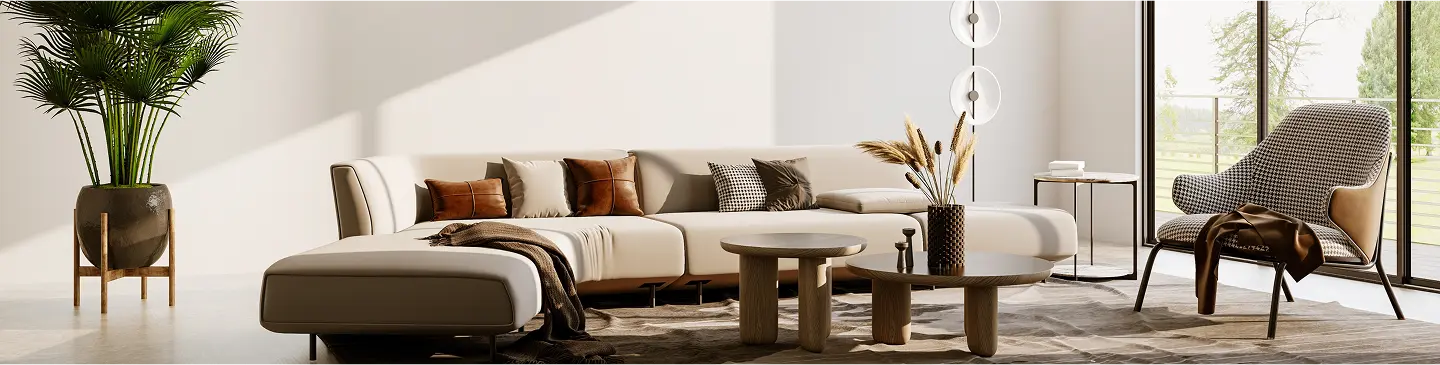
The living room usually leads the listing gallery, so it should communicate the full design direction immediately. Start with a sofa in a durable neutral, then add color through chairs, pillows, art, and a rug. One locally relevant focal point, such as oversized coastal artwork or a sculptural pendant, is more effective than a collection of small themed decorations.
Choose a coffee table with a forgiving finish and enough surface area for the number of guests. Side tables should be reachable from every main seat. Closed storage keeps games, extra blankets, and electronics out of sight, while baskets can hold casual items without making the room feel rigid.
Make the Room Photograph Well From the Entry
Stand at the likely camera position before finalizing the plan. The first view should show depth, a clear focal point, and an uncluttered path through the room. Avoid tall furniture that blocks windows or divides an open plan. Layer ambient, task, and accent lighting so the room remains inviting after sunset, not just during bright daytime photography.
Create a Practical Coastal Kitchen and Dining Area
The kitchen and dining area should continue the palette without becoming overly decorative. Cabinet hardware, lighting, stools, and backsplash materials can carry the coastal character while durable counters and wipeable seating handle everyday use.
Use a dining table sized for the home's guest capacity and leave enough clearance for chairs to move comfortably. Sealed wood, stone, or another nonporous surface will age better than a delicate finish. Dining chairs in wood, metal, molded material, or performance fabric simplify turnover. Fixed stools with backs tend to be more comfortable and durable than lightweight swivel models.
Open shelves can look attractive in photos but require careful styling and frequent resetting. Closed cabinetry is usually the better choice for a rental. Keep counters mostly clear and use one or two decorative groupings instead of many small objects.
Make Beach House Bedrooms Calm and Comfortable
Bedrooms should feel quieter than the shared spaces. Repeat the home's core palette in softer tones, then use layered bedding, substantial bedside lighting, and one strong piece of art to make each room complete. Avoid giving every bedroom a different theme. Small variations in accent color can create identity without breaking the overall design.
Include a nightstand and reading light on each accessible side of the bed, blackout window treatments, luggage space, and practical clothing storage. Upholstered headboards should use performance fabric. Waterproof mattress protectors and washable bedding layers help preserve the design through frequent stays.
Control Sand at Entries and Transition Areas
A well-designed entry keeps the rest of the interior cleaner. Provide a durable bench, hooks, closed shoe storage, and a washable runner near the main arrival point. A second transition zone near the beach or pool entrance can hold towels, bags, and wet items.
These functional details should look integrated rather than improvised. Match the bench, hooks, baskets, and cabinetry to the finishes used elsewhere in the home. Thoughtful storage is part of the interior design, not an accessory added after the rooms are furnished.
Extend the Interior Design to Outdoor Spaces
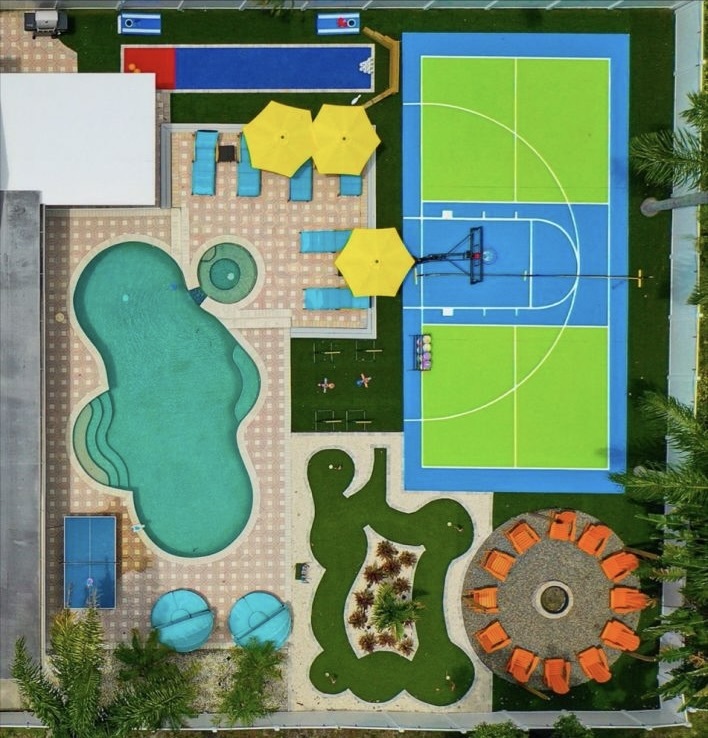
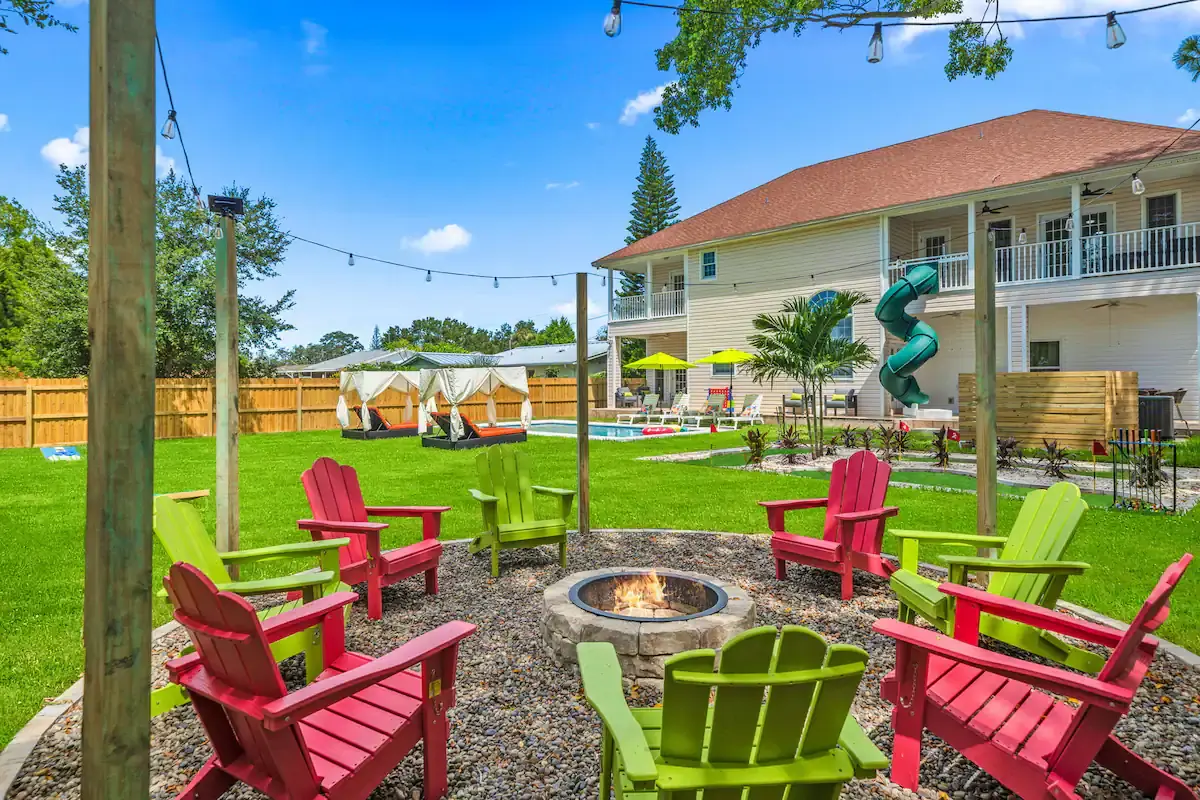
Patios, balconies, and pool areas should feel like an extension of the indoor rooms. Repeat one or two interior colors and use furniture with similar visual weight. Teak, aluminum, marine-grade stainless steel, and quality resin wicker perform better in coastal conditions than untreated steel or standard indoor furniture.
Arrange outdoor seating around the property's best feature, whether that is an ocean view, pool, fire pit, or dining area. Use quick-drying cushions, fade-resistant fabric, and layered lighting for evening use. The transition from indoors to outdoors should feel intentional in both the guest experience and the listing gallery.
Common Beach House Interior Design Mistakes
- Overusing coastal decor: shells, anchors, rope, and signs can quickly turn a refined room into a theme set.
- Ignoring the view: bulky furniture and poorly placed window treatments can hide the property's strongest feature.
- Choosing appearance over performance: delicate fabrics and untreated materials rarely age well in a coastal rental.
- Underfurnishing for occupancy: every guest needs a comfortable place to sit, dine, sleep, and store personal items.
- Using one overhead light: rooms need multiple light sources to feel warm and functional after dark.
- Adding too many small accessories: visual clutter complicates cleaning and weakens listing photos.
- Mixing unrelated styles: a consistent palette and material plan creates a stronger sense of place.
Bring the Beach House Interior Together
A successful beach house interior begins with the setting and carries one clear design direction through every room. Start with a coastal palette, preserve the view, plan for the home's full guest capacity, and use texture to add warmth. Then support the look with performance fabrics, moisture-resistant materials, washable surfaces, and integrated storage.
The result should feel unmistakably coastal without depending on literal beach decor. When layout, color, materials, lighting, and practical details work together, the home becomes more comfortable for guests, easier to maintain, and more compelling in listing photos. For a complementary look at style, ambiance, and booking appeal, explore beachfront interior design.