How to Increase Airbnb Bookings: 6 Proven Steps
When Airbnb bookings slow down, lowering the nightly rate is not always the right first move. A listing can lose demand at three different stages: it may not appear in enough searches, it may not earn the click, or it may not persuade guests to book. The fastest path to more reservations is to identify which stage is failing and fix that bottleneck first.
Airbnb says search placement is influenced by listing quality, popularity, price, location, availability, photos, reviews, host responsiveness, cancellations, and ease of booking. That means hosts have several practical levers beyond discounting. Use the six steps below to increase Airbnb bookings without guessing or making expensive changes before the fundamentals are right.
Diagnose Why Airbnb Bookings Are Down
Start with your listing insights and compare the current 30 days with the previous 30 days and the same season last year. Look at impressions, listing views, booking conversion, occupancy, average daily rate, and lead time. Then match the pattern to the likely problem:
- Low impressions: Your availability, minimum-stay rules, pricing, booking settings, or amenity filters may exclude you from searches.
- Impressions but few views: Your cover photo, title, price, rating, or visible amenities may not compete on the results page.
- Views but few bookings: Guests may find weak photos, unclear sleeping arrangements, hidden fees, restrictive rules, or a poor value proposition.
- Bookings but weak revenue: Your pricing may fill nights too cheaply or leave high-demand dates underpriced.
Change one major variable at a time and record the date. Otherwise, you will not know whether a new cover photo, price adjustment, or policy change caused the result.
1. Open More Bookable Dates
Availability is the first gate. A strong listing cannot win a search it does not qualify for. Airbnb notes that more available dates and flexible trip lengths can help a home match more guest searches.
- Open your calendar as far ahead as your market typically books.
- Reduce minimum stays on orphan nights and slower weekdays.
- Use different minimum stays for peak weekends, events, and low season.
- Keep preparation time and advance-notice rules no stricter than operations require.
- Sync every booking calendar to prevent blocks and double bookings.
Check the calendar as a guest would. Search your market with realistic dates and guest counts. If your listing disappears for common two- or three-night trips, restrictive rules may be costing you exposure.
2. Price Against Comparable Rentals
Price affects both search visibility and conversion. Compare your total guest price—not only your nightly rate—with five to ten nearby listings that have similar bedrooms, guest capacity, amenities, quality, and reviews. A cheaper one-bedroom is not a useful comparison for a design-led four-bedroom home.
Set a base rate, then adjust for day of week, seasonality, events, booking lead time, and remaining gaps. Use weekly or monthly discounts only when the longer stay improves net revenue after cleaning, utilities, and displacement of higher-value nights.
- If impressions are low, test a more competitive total price and looser stay rules.
- If views are healthy but bookings are low, compare fees and cancellation terms.
- If occupancy is high but revenue is weak, raise rates on compressed dates before chasing more nights.
Dynamic-pricing software can automate changes, but it still needs sensible minimums, maximums, and event overrides. Review recommendations rather than treating any algorithm as a substitute for local judgment.
3. Win the Search-Result Click
Your cover photo, title, total price, rating, and standout amenities compete together. Improve the result card before rewriting a long description that guests may never open.
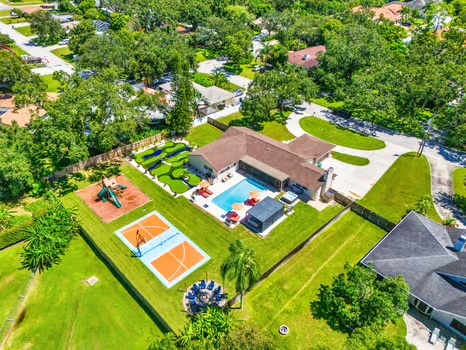
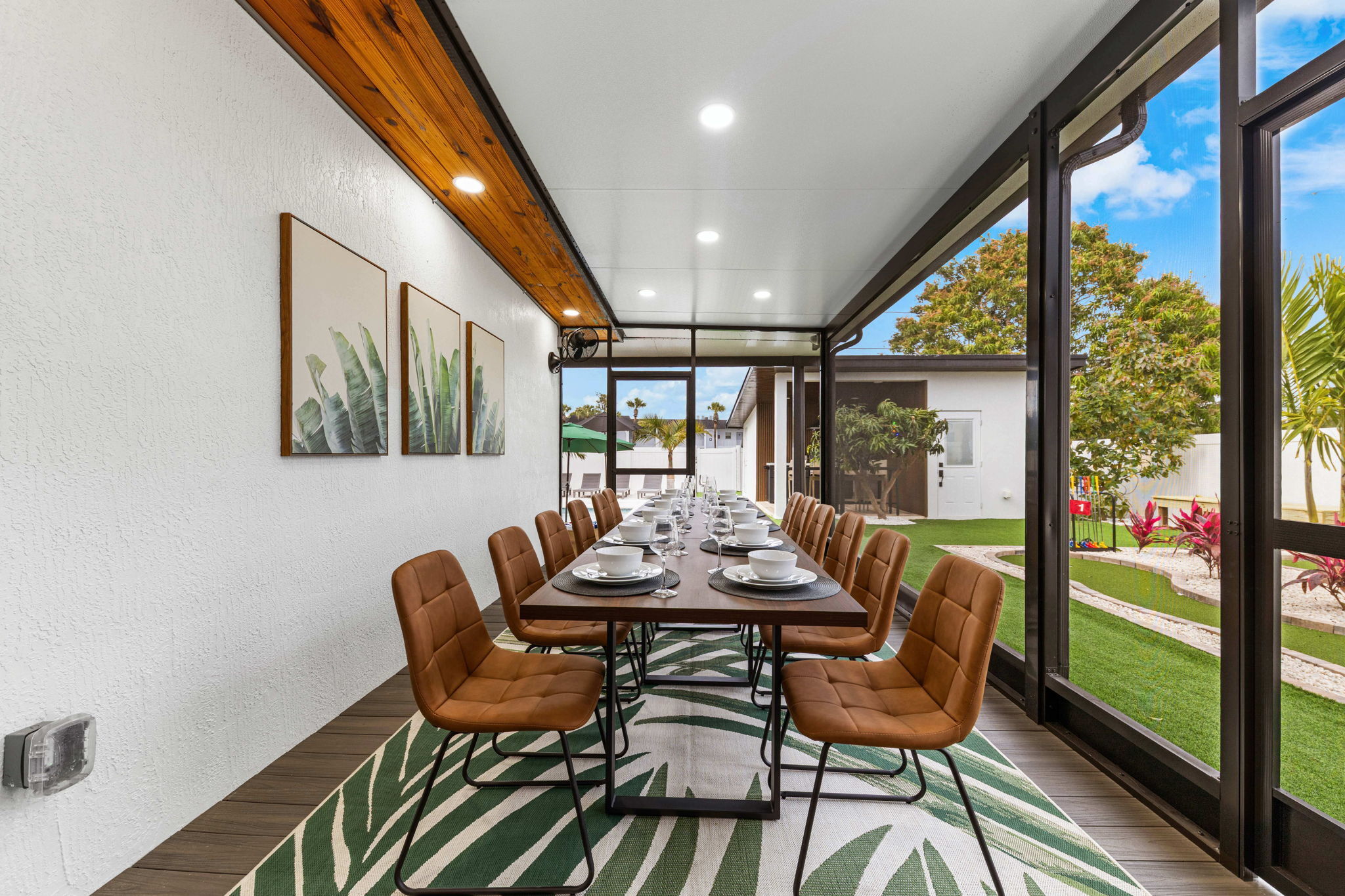
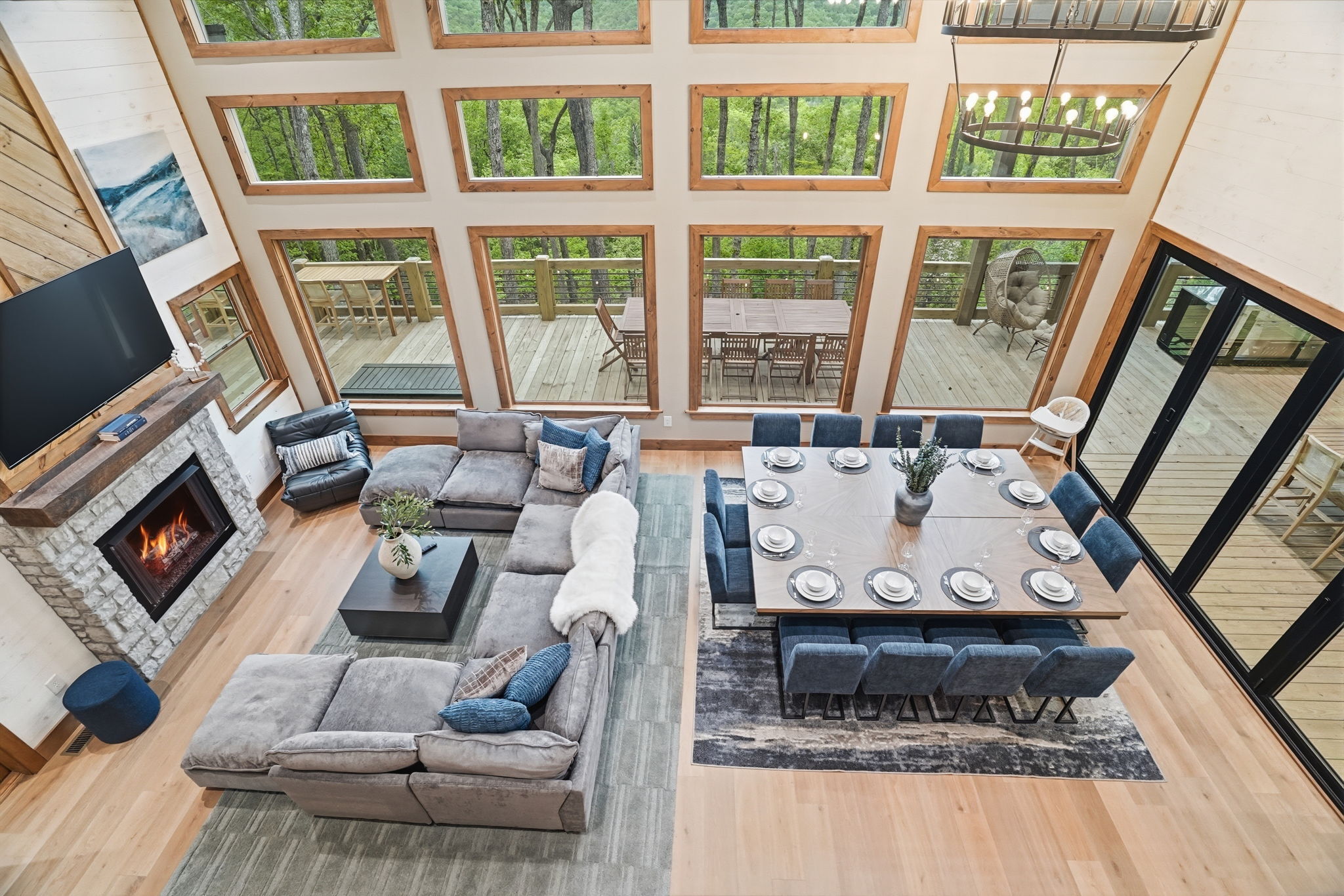
Choose a bright cover image that communicates the property's strongest reason to book: the pool, view, game room, outdoor living area, or best gathering space. Avoid collages, heavy filters, misleading wide-angle distortion, and seasonal photos that no longer match the property. Then arrange the next four images to answer the first questions guests have about living, sleeping, cooking, and outdoor space.
Write a factual title around a distinctive benefit. “Downtown 2BR Condo” describes inventory; “Walkable 2BR With Rooftop and Parking” explains value. Do not repeat the city or stuff the title with generic adjectives.
A professional shoot can improve both clarity and perceived value when the property is ready. See how bad Airbnb photos hurt bookings, then review completed STR Cribs properties for examples of spaces photographed around a clear guest experience.
4. Convert Listing Views Into Bookings
Once guests open the listing, remove uncertainty. The first paragraph should state who the home suits, the primary experience, the sleeping capacity, and any important location context. Follow with scannable facts rather than a long lifestyle story.
- Describe every bed, bedroom, bathroom, parking space, and shared area accurately.
- Complete every applicable amenity field so the listing can appear in filtered searches.
- Show practical amenities such as Wi-Fi speed, workspace, laundry, crib, EV charging, or pet features when they are genuinely available.
- Disclose stairs, noise, cameras, access limitations, shared spaces, and other material constraints.
- Keep house rules short, specific, and consistent with the trip you want to attract.
Consider Instant Book if your operations and risk tolerance support it. Airbnb says easier booking can help search placement, and guests can filter for Instant Book. Configure guest requirements, advance notice, and calendar synchronization before enabling it.
5. Protect Reviews and Response Speed
Recent ratings, reviews, responsiveness, and host cancellations all influence guest confidence and may affect search performance. The goal is not to send more messages; it is to prevent uncertainty and solve issues quickly.
- Confirm the reservation with only the information the guest needs next.
- Send arrival, parking, entry, Wi-Fi, and contact instructions before check-in.
- Check in after arrival without interrupting the stay.
- Resolve maintenance or cleanliness problems immediately and document the fix.
- Send a concise checkout message with the exact required tasks.
Cleanliness, accurate expectations, comfortable beds, reliable climate control, and smooth entry matter more than elaborate gifts. Use a repeatable turnover process such as this Airbnb deep-clean checklist. Avoid host cancellations by keeping availability, pricing, and property readiness accurate.
6. Upgrade the Guest Experience
Do not buy amenities from a generic “must-have” list. Study comparable listings and guest reviews to find what your target traveler values and what nearby rentals fail to provide. Families may care about durable dining space, child-friendly sleeping layouts, laundry, and games. Groups may value enough real seats, bathroom capacity, luggage storage, and weather-proof gathering areas. Couples may prioritize privacy, lighting, a premium bed, and a memorable outdoor feature.
Prioritize changes by expected effect and cost:
- Fix friction: Repair broken items, improve lighting, clarify entry, and replace uncomfortable essentials.
- Improve presentation: Edit clutter, create a cohesive room plan, and reshoot the listing.
- Add market-fit amenities: Invest only where comparable performance and guest demand support the expense.
- Renovate strategically: Change layouts or add signature spaces when the revenue case is strong.
For larger projects, use a defined Airbnb renovation process instead of buying isolated furnishings. A data-informed design plan should connect each upgrade to the ideal guest, the listing story, operations, and the expected rate or occupancy benefit.
Measure Airbnb Booking Improvements
Review results weekly, but allow enough time for meaningful traffic. Track impressions, views, conversion, occupancy, average daily rate, revenue per available night, cancellations, and review themes. Annotate every material change.
- More impressions: Availability, stay rules, price, amenities, or booking settings improved eligibility.
- Higher click-through: The cover photo, title, price, or visible rating became more competitive.
- Higher conversion: The listing, policies, trust signals, or total value better answered guest concerns.
- Higher revenue: The combined rate and occupancy result improved—not merely one metric in isolation.
If a change increases occupancy but reduces net revenue, it is not automatically a win. Judge the full result after platform fees, cleaning, utilities, supplies, maintenance, and added operating load.
Airbnb Booking FAQs
How Do I Get More Airbnb Bookings?
Find the weakest stage first: search impressions, listing clicks, or booking conversion. Then improve the relevant lever—availability and rules for reach, the cover photo and title for clicks, or price, listing clarity, reviews, and booking ease for conversion.
Why Am I Getting No Airbnb Bookings?
Common causes include blocked dates, restrictive minimum stays, uncompetitive total pricing, incomplete amenities, a weak cover photo, few recent reviews, or seasonal demand. Search your own market with realistic dates to confirm whether the listing appears before changing the property.
Does Lowering Price Increase Airbnb Bookings?
It can, especially when total price is above comparable rentals, but discounting will not fix poor availability, weak photos, missing amenities, or an unclear listing. Test a controlled price change and evaluate both conversion and net revenue.
Does Instant Book Improve Airbnb Ranking?
Airbnb says listings that can be booked instantly may rank higher because booking is easier and responses are automatic. It is still important to configure guest requirements, notice, preparation time, and calendar sync correctly.
How Quickly Should Airbnb Changes Work?
Calendar and pricing changes can affect eligibility immediately, while photo, title, review, and design improvements need enough search traffic to evaluate. Compare consistent periods and avoid changing several major variables at once.
Build a More Bookable Airbnb
More bookings come from matching the right guest, appearing in the right searches, earning the click, and removing reasons to hesitate. Fix availability and pricing first, then strengthen presentation, listing clarity, operations, and the physical guest experience.
If your property needs more than a listing edit, STR Cribs can connect market research, design, furnishing, renovation, and listing presentation in one plan. Book a free consultation to identify the highest-impact changes for your rental.
Platform features and ranking systems change. Review Airbnb's current search-results guidance and booking recommendations before changing account settings.