Ski Lodge Interior Design for Optimal ROI
Imagine this: after a day skiing powder and racing down mountain runs, you push open a heavy wooden door and step into warmth. The scent of cedar mingles with mulled wine. A fire crackles in a stone hearth, casting a golden glow across plush seating. Snow-covered boots are traded for woolen socks on heated floors. This moment, this transition from exhilaration to comfort, embodies the essence of ski lodge interior design—a specialized application of cabin interior design principles that prioritizes both rustic charm and luxurious comfort.
For Short-Term Rental (STR) property owners, it's not just about creating a beautiful space. It's about crafting an experience so compelling that guests pay premium rates, book further in advance, and return season after season. A thoughtfully designed alpine retreat doesn't just photograph well for listing sites; it fosters an emotional connection that translates to booking requests and five-star reviews. Whether you're incorporating cozy log cabin design elements or other mountain-inspired aesthetics, the goal remains creating that unforgettable guest experience.
In this guide, we deconstruct exceptional ski lodge design elements, explore the evolution of this style, and reveal how strategic decisions can boost your property's occupancy rates, Average Daily Rate (ADR), and annual revenue. The right interior approach isn't just an expense; it's a significant investment in the competitive mountain rental market.
What Defines Ski Lodge Interior Design?
Modern ski lodge interior design has evolved beyond the typical hunting lodge with mounted trophies and buffalo check. Today's successful alpine retreats capture a nuanced feeling of shelter, warmth, a connection to nature,and an invitation to unwind. The Danes call this quality hygge, an ineffable sense of coziness and contentment and it's at the heart of every successful mountain property.
Traditional Alpine Appeal
The traditional ski lodge aesthetic emerged from necessity in harsh mountain environments. Massive timber beams and steeply pitched roofs were structural requirements for heavy snow loads. Stone fireplaces provided essential heat. Animal hides and wool textiles offered warmth during winters. These elements form the foundation of cabin interior design principles that remain popular today.
These functional elements evolved into the hallmarks we recognize: exposed rough-hewn beams, river rock fireplaces reaching vaulted ceilings, leather furniture that improves with age, and natural textiles in earthy tones or classic patterns. These spaces feel anchored to place and purpose, offering a sanctuary connected to the wilderness through timeless rustic design elements.
Alpine Modern
While traditional ski lodge style remains popular, Alpine Modern has gained traction in the luxury rental market. This contemporary approach maintains the soul of mountain design natural materials, textural richness, and coziness but executes it with cleaner lines, a more restrained palette, and curated elements.
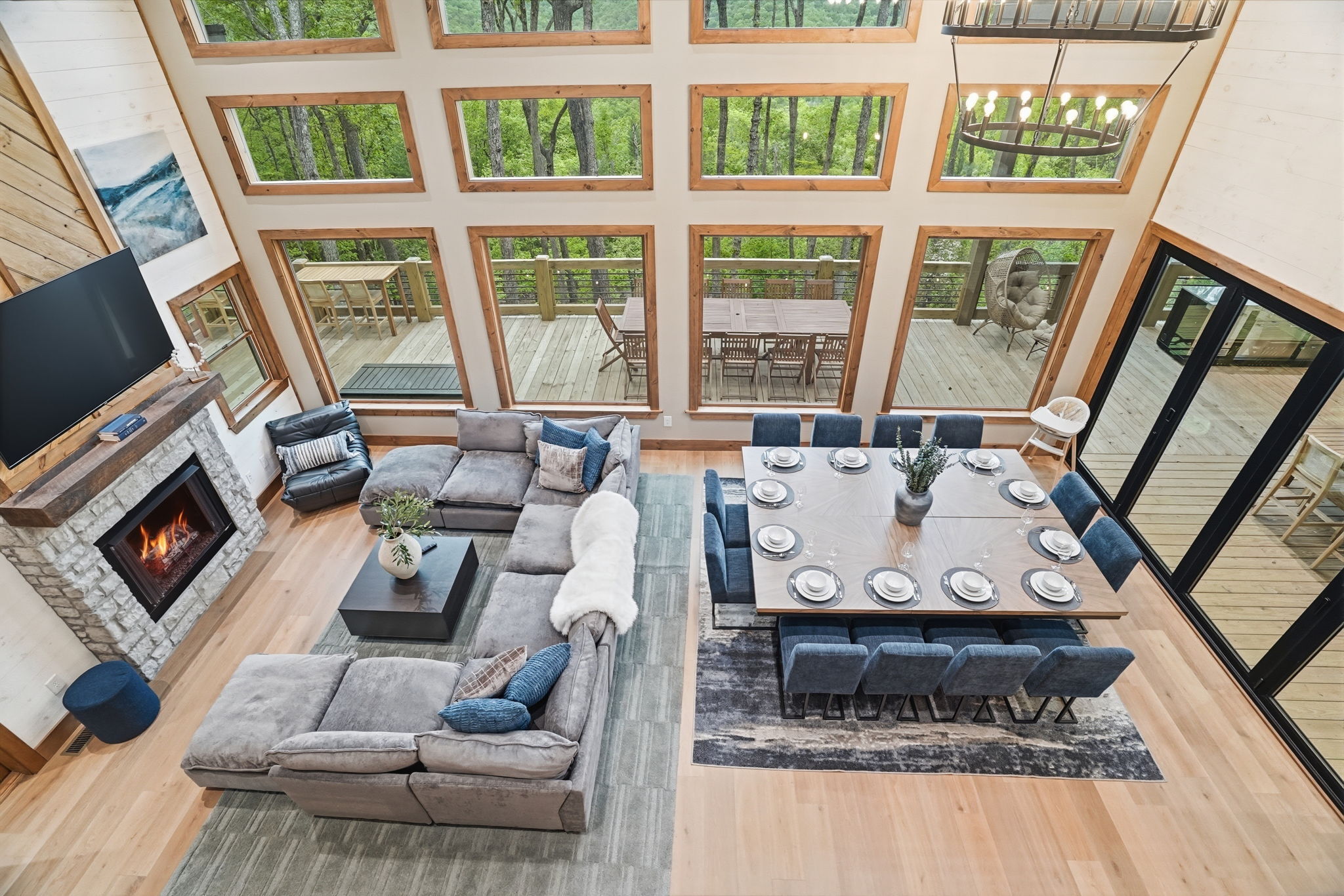
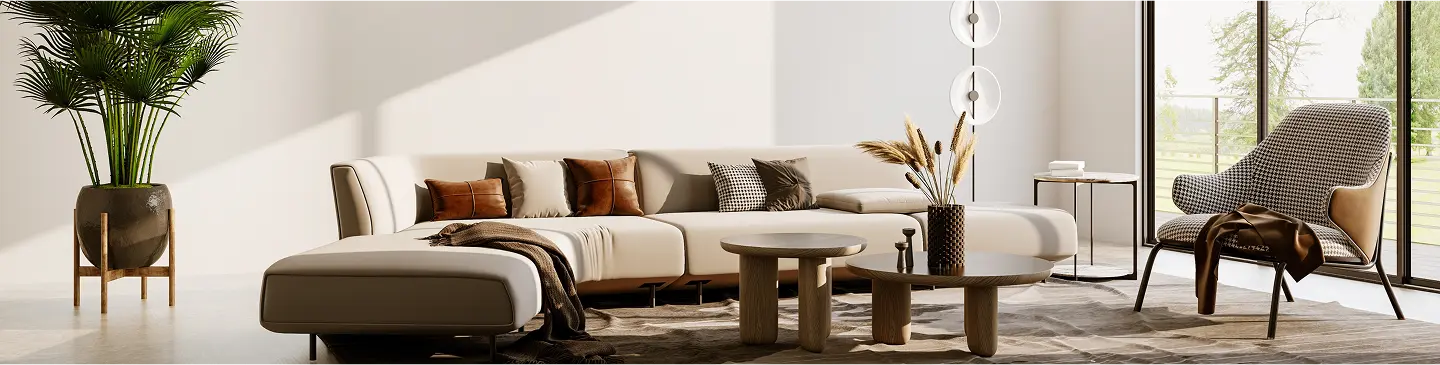
This modern cabin decor approach trades traditional lodge heaviness for a lighter, sophisticated style. Bright, open spaces feature warmth and texture. Streamlined furniture in natural materials, statement architectural elements like a minimalist steel fireplace, and large windows frame mountain views. This style resonates with affluent travelers who appreciate alpine tradition but prefer contemporary expression.
5 Foundational Elements of a Profitable Alpine Retreat
Focus on these five elements to create a cohesive and inviting space that guests will pay a premium for to achieve the cozy cabin aesthetic.
Material Palette
Successful ski lodge interiors use authentic, natural materials layered thoughtfully for visual and tactile appeal:
- Wood: The cornerstone of alpine design, it should appear in multiple forms throughout the space. Consider reclaimed barn wood for an accent wall, hand-scraped wide-plank oak flooring, exposed Douglas fir ceiling beams, and furniture showcasing natural grain. Vary the tones from light (blonde pine, white oak) to dark (walnut, mahogany) for depth and appeal.
- Stone: A statement stone fireplace anchors many mountain homes, but it can also appear as accent walls, flooring, or exterior facades. Popular options include locally sourced river rock, rugged slate, or stacked veneer that enhances the connection between indoor and outdoor spaces.
- Metal: Incorporate metal to contrast softer natural materials. Wrought iron light fixtures, blackened steel fireplace surrounds, hammered copper sink basins, or bronze hardware introduce character and visual contrast while maintaining the narrative of natural materials.
- Leather: Few materials age as beautifully as quality leather, making it ideal for high-use STR properties. Consider it for primary seating like sofas and club chairs; it's durable, develops a rich patina, and enhances the sense of luxury.
Color Palette
The most effective color strategies for ski properties follow a three-tier approach:
- Base: Start with warm neutrals for an enveloping backdrop. Creamy whites, soft beiges, and light grays work for walls and ceilings, allowing natural materials to shine while maximizing light in spaces with limited winter sun.
- Secondary: Add deeper, earthy tones inspired by the landscape, like chocolate browns, forest greens, charcoal grays, and deep slate blues. These can appear in larger furniture, kitchen cabinetry, or accent walls.
- Accents: Complete the palette with strategic pops of rich, warm color burgundy, burnt orange, mustard yellow, or deep crimson. These energetic notes come through in changeable elements like textiles, artwork, and accessories, allowing for seasonal refreshes or trend updates without major renovations.
Furniture
Selecting furniture for ski properties requires special consideration, as these spaces often feature dramatic proportions that residential-scale pieces can't accommodate:
Ski lodges often have grand, open rooms with high ceilings that need substantial furniture to feel anchored. Invest in deep, oversized sofas for guests to relax after a day on the slopes. Consider leather club chairs near the fireplace for morning coffee or evening cocktails.
A solid wood coffee table is important for a rustic modern living room. Consider a live-edge slab or a chunky timber piece for feet, board games, and après-ski spreads. For dining spaces, choose a farmhouse-style table for maximum occupancy, ideally with benches or substantial chairs that feel proportional.
Lighting
Lighting can significantly influence the ambiance of a mountain retreat, yet it's often overlooked in rental property design:
- Ambient: Start with statement lighting that suits the space’s scale. In rooms with vaulted ceilings, consider chandeliers made from antlers, wrought iron, or reclaimed wood. For contemporary spaces, oversized pendant lights in blackened metal or hand-blown glass make an architectural statement.
- Task: Add targeted lighting for activities, including reading lamps beside beds and sofas, under-cabinet kitchen lighting, and sconces in hallways and bathrooms. In mountain locations, earlier sunsets, especially in winter, make effective task lighting essential.
- Accent: Complete the lighting scheme with subtle accent lights to highlight architectural features, art pieces, or create warmth in corners. Ensure every light in the property is dimmable, allowing guests to adjust the atmosphere from bright and energetic to soft and intimate.
Textiles & Decor
This is where hygge and après-ski decor come to life through tactile elements that invite touch and create warmth:
Layer beds with high-quality linens, plush duvets, and natural fiber throws. Add depth to seating areas with faux fur pillows, cable-knit cushions, or Pendleton wool blankets draped over sofa arms. Anchor groups with substantial area rugs, like a vintage kilim, textured wool berber, or high-performance indoor/outdoor option for wet boots.
For wall decor, think beyond stereotypes. Consider large landscape photography of the surrounding mountains, abstract art in complementary colors, or a curated gallery wall of vintage ski posters. Keep accessories minimal but meaningful: a few well-chosen pieces that tell a story instead of countless small items that create clutter.
Data-Driven Approach to Ski Lodge Design
A beautiful ski lodge is one thing. Another is a ski lodge that consistently outperforms the competition. The difference is data.
Most interior designers focus on aesthetics, but STR Cribs takes a different approach. We specialize in data-driven design and renovation for short-term rentals, using real market intelligence. Our process analyzes your property's market, identifying what drives bookings, optimal pricing, and reviews in your location. This isn't following trends; it's strategic design built on proven metrics.
Our data-driven design process delivers measurable ROI. Clients report a 64% increase in occupancy, 40% higher Average Daily Rates (ADR), and an average of $50,000 more in annual revenue compared to similar properties. These are applying analytical rigor to interior design.
Renovating or furnishing a vacation property is a significant investment. STR Cribs offers financing up to $100,000 for furnishing, with 0% intro rates for qualified borrowers. This allows property owners to implement a comprehensive design strategy without depleting capital reserves, creating a top-performing property that generates returns immediately.
Room-by-Room Breakdown: Designing a Cohesive Mountain Home
Apply these principles to your property’s key areas for a cohesive mountain home interior.
The Great Room
- Focal Point: Center the space around a dramatic fireplace, whether a traditional stone hearth or a sleek contemporary design. This creates a visual anchor and a natural meeting place.
- Furniture Arrangement: Create conversation zones by positioning seating to face each other instead of just toward a TV. Consider two sofas facing each other with a coffee table between, plus additional club chairs for larger groups.
- Define Zones: In open-concept spaces, use area rugs to separate living and dining areas. A large one (at least 8'x10' for standard great rooms) defines the seating area and adds warmth.
- Window Treatments: Keep window coverings minimal to maximize mountain views. The natural landscape is your best artwork. Consider simple side panels that frame views without obscuring them or motorized blinds that can be lowered only when needed for privacy or light control.
The Bedrooms
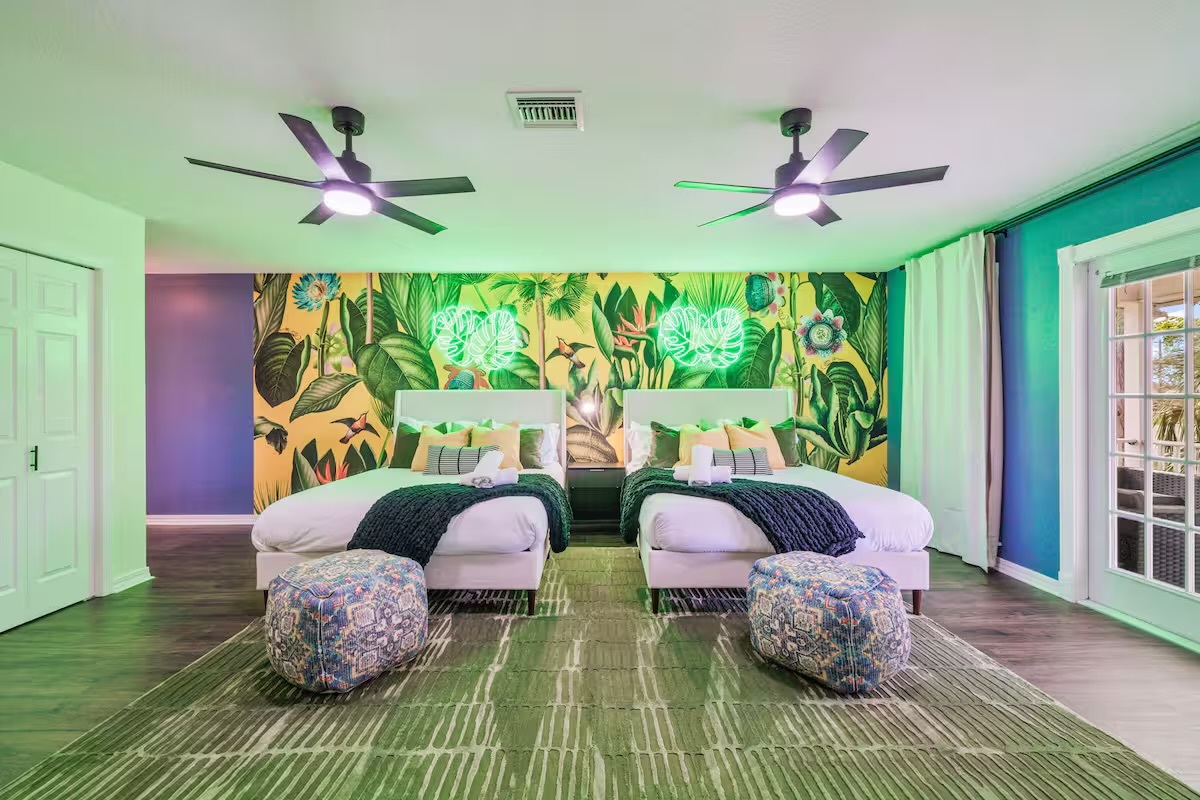
- Bedding Strategy: Invest in premium mattresses and high thread-count linens, as sleep quality is essential in guest reviews. Layer beds with down duvets, quilted coverlets, and at least two types of pillows (firm and soft) to accommodate preferences.
- Wall Treatments: Consider a wood accent wall behind the bed to add warmth and texture without overwhelming the space. You could use shiplap, reclaimed barn wood, or tongue-and-groove paneling too.
- Lighting: Install wall-mounted reading lamps or pendants on either side of beds to free up nightstand space. Ensure all bedroom lighting is dimmable and include one source of soft ambient light for evenings.
- Seating: If space permits, include a comfortable chair with a small side table and reading lamp to create a private retreat. In smaller bedrooms, a bench at the foot of the bed provides seating and luggage space.
The Entryway/Mudroom
- Flooring: This high-traffic area needs durability. Consider slate tiles, porcelain that mimics natural stone, ornate-finished engineered hardwood that won't show water spots from melting snow.
- Storage Solutions: Create an organized gear management system with a boot removal bench,individual cubbies or lockers for each guest, and abundant hooks at varying heights for coats, hats, and equipment. This improves the guest experience during ski season.
- Boot Management: Install a boot warmer or drying area, a small investment with high reviews. No one wants to put on cold, damp boots.
- Transition Element: Include a design element that signals the shift from outdoors to indoors. A striking pendant light, a statement mirror for last looks, or a distinctive console table styled with mountain-appropriate accessories.
The "Wow" Factor
- Hot Tub Setting: Don't just place a hot tub on a deck. Create an experience around it. Design a dedicated area with privacy screening, weather protection, ambient lighting, towel storage, and a place to hang robes. Consider the view from the tub when positioning it.
- Après-Ski Station: Create a dedicated beverage center for post-slope refreshments. Include a wine fridge, glassware, and hot cocktail tools. Style it with vintage ski accessories or local mountain photography.
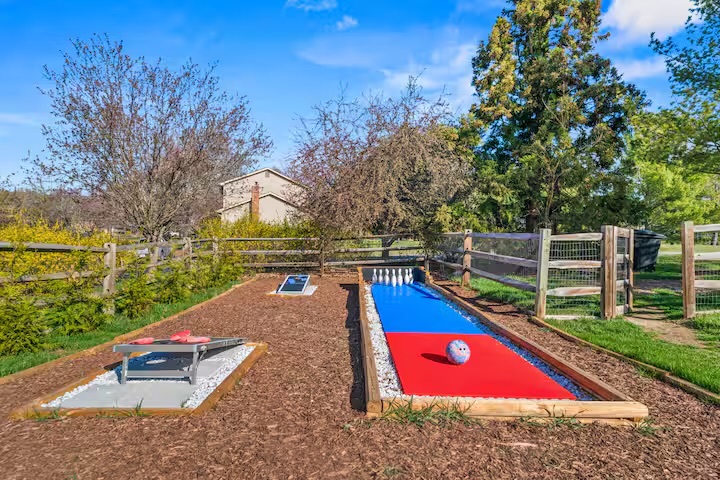
- Entertainment Spaces: Consider a lower-level game room with group interaction activities. Avintage pool table, shuffleboard, or a classic arcade game can create memorable moments that guests mention in reviews and social media.
- Outdoor Living: Extend usable space with a well-designed area featuring a fire pit, comfortable seating, and ambient lighting. A protected outdoor space with a heat source becomes a delightful winter amenity.
Common Pitfalls in Ski Lodge Design
It's easy to miss the mark, even with good intentions. Here are mistakes to avoid in your ski lodge interior design:
- The Theme Park Effect: A common misstep is overcommitting to an alpine "theme" instead of embracing authentic style. Avoid rooms filled with matching log furniture, excessive antler accents, wildlife figurines, and signage suggesting a "cabin in the woods." Incorporate natural elements and wilderness motifs selectively and with sophistication.
- Ignoring Durability: Choosing standard residential furnishings is a costly error in high-turnover vacation properties. Invest in contract-grade or hospitality-focused pieces, especially for high-use items like dining chairs, sofas, and beds. Sturdy materials prevent frequent replacements and disappointed guests.
- Poor Lighting: Overhead fixtures create harsh, unflattering light that fails to showcase your property's best features. A well-designed scheme includes multiple sources at different heights, creating various levels of illumination throughout the day and evening.
- Forgetting Practicality: Beautiful spaces that don't accommodate real-world needs frustrate guests. Ensure ample storage for personal items, logical traffic patterns, enough seating for maximum occupancy, and details like bedside charging stations, luggage racks, and hooks for towels and robes.
- Underestimating Maintenance Needs: White sofas, light carpets, and delicate decor look stunning in listing photos,but they become challenges. Choose materials and finishes that can withstand mountain conditions, including wet gear, snow tracking, and intensive cleaning between guests.
Conclusion
Effective ski lodge interior design is a strategic business decision impacting your property's performance. The right design transforms a basic rental into a sought-after destination that commands premium rates, enjoys exceptional shoulder season occupancy, and generates guest reviews that enhance listing platform success.
Don't leave your investment to chance. Partner with experts who understand design and data to ensure your property captures its maximum revenue potential. STR Cribs brings mountain design expertise and vacation rental performance analytics, creating spaces that are both attractive and profitable.