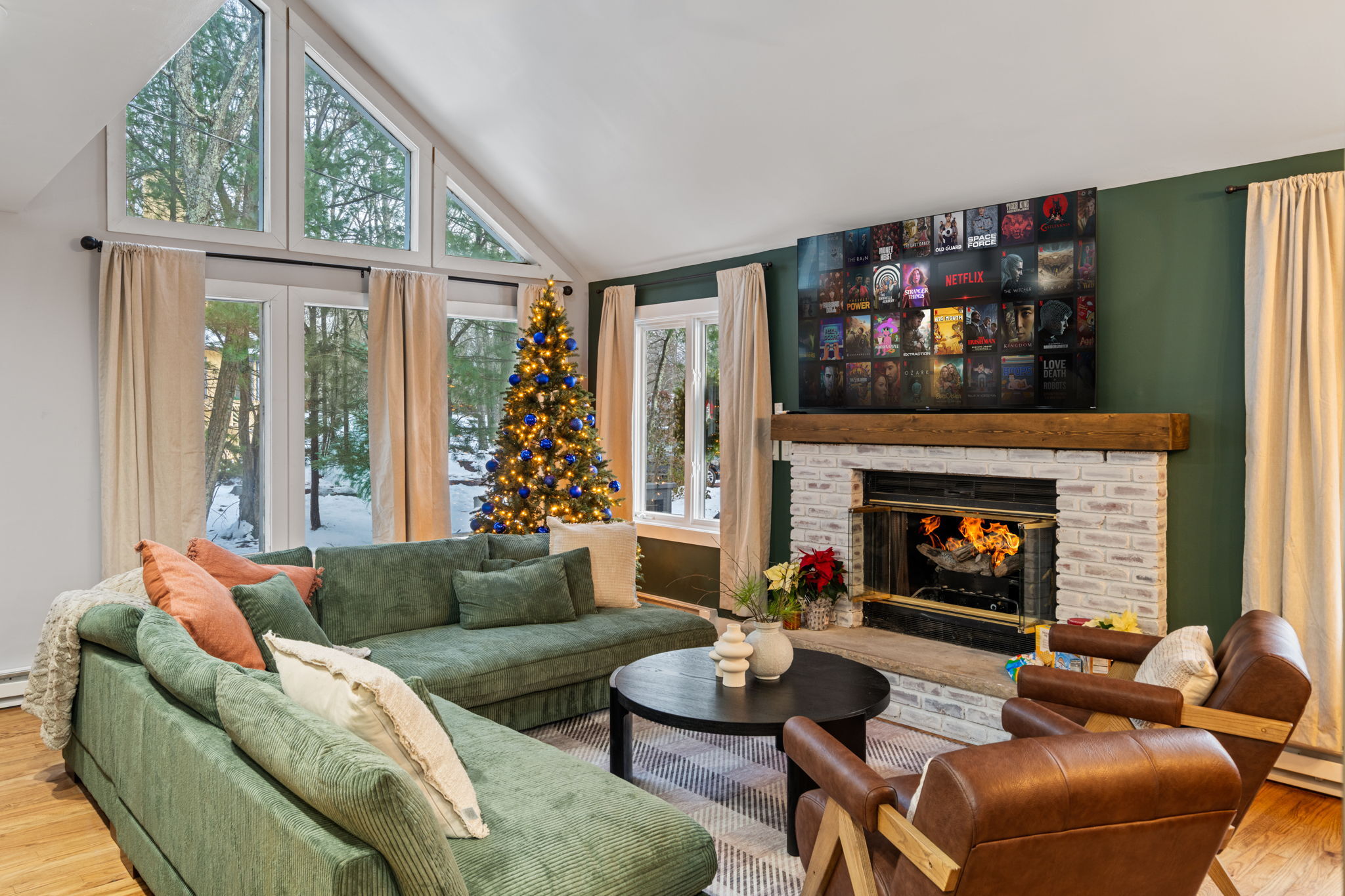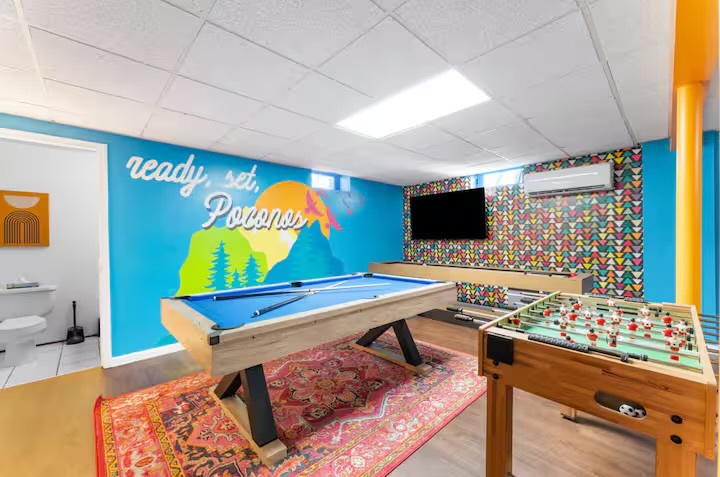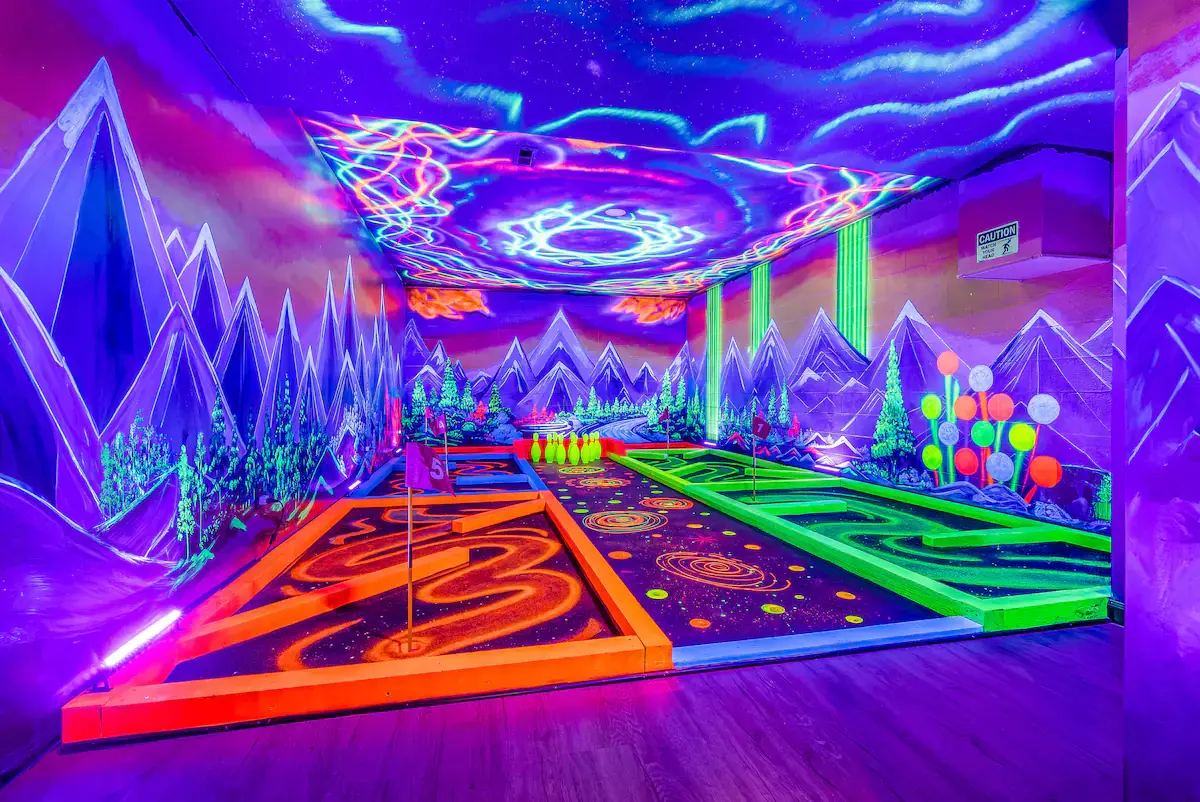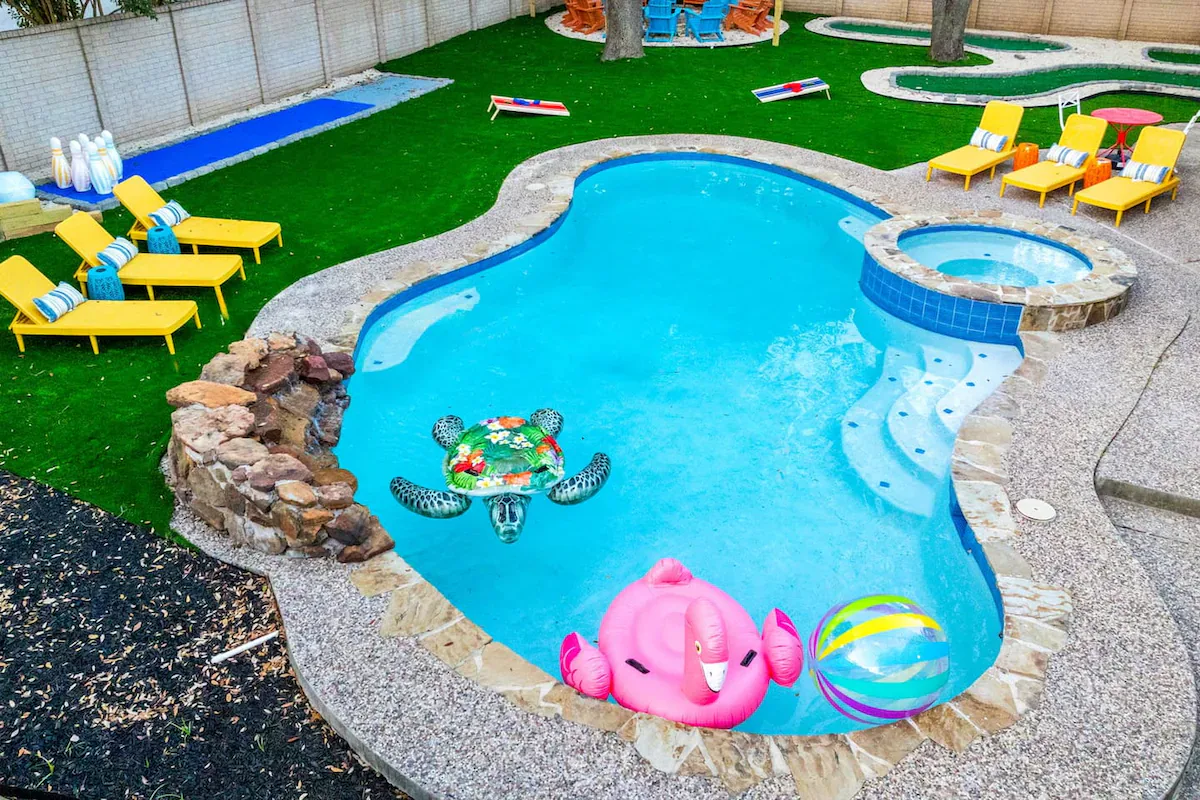
Airbnb Design Style Guide: Cohesive Aesthetics
Does your Airbnb have mismatched furniture? Is your property struggling to stand out among generic listings? If you're an investor or host watching it underperform while competitors command premium rates, the missing piece might not be another amenity. It might be a strategic Airbnb design approach.
A professional Airbnb design style guide isn't just a nice-to-have; it's the tool that top-performing hosts and investors use to create memorable brands, streamline operations, and drive higher revenue. Built on proven hospitality interior design principles, this isn't about interior decorating as a hobby; it's about treating your short-term rental as a business asset.
In this guide, we explain why you need a style guide and how to create a data-driven one that attracts more guests and commands higher rates. Today, we provide the framework to transform your property's performance, using the philosophy of experts like STR Cribs.
What is an Airbnb Design Style Guide?
A Short-Term Rental (STR) design style guide is a comprehensive document that codifies all the visual and aesthetic decisions for your property. It is the brand book for your property, similar to what Nike or Apple have for their products. It documents everything from your color palette and furniture style to material choices and decorative elements, creating a cohesive look that resonates with your target guests. Modern hosts can enhance their style guide development through AI-powered design analysis to make more data-driven aesthetic decisions.
Without a style guide, most hosts become inconsistent. Properties look like random purchases instead of a curated experience. This inconsistency creates aesthetic problems, decision fatigue when replacing items, wasted money on off-brand purchases, and a generic look that fails to stand out in listing photos. Effective vacation home interior design requires this strategic approach to avoid lower booking rates, decreased average daily rates, and missed revenue opportunities.
Shifting to a cohesive design approach yields immediate business benefits. Professional STR investors know this isn't about personal taste; it's about creating a strategic asset that maximizes Airbnb design for ROI, whether through cabin-specific design approaches or other property-focused strategies.
The Tangible Benefits of a Cohesive Design:
- Brand Identity & Memorability: Creates a unique, recognizable "brand" that guests remember, leading to positive reviews and repeat bookings.
- Operational Efficiency: Simplifies and speeds up shopping for replacements, repairs, or new items. No guesswork. Important for scaling a portfolio.
- Higher Perceived Value: A well-designed space looks more premium, justifying a higher Average Daily Rate (ADR).
- Increased Bookability: Stand-out photos that attract attention in search results lead to more clicks and a higher occupancy rate.
Core Elements of a Winning STR Style Guide
A powerful style guide goes beyond choosing a few colors. It is a holistic document covering every touchpoint of the guest's visual experience, making it crucial for strategic design planning. Here are the essential elements to include:
1. Target Guest & Design Purpose
Before choosing a pillow or paint color, define your guest persona as a detailed profile of your ideal target guest. Are they digital nomads seeking a productive workspace with character, families with young children needing durable accommodations, or luxury romantic getaway seekers wanting an Instagram-worthy experience?
Once you've defined your guest persona, craft a one-sentence "Design Mission" to guide choices. For example: "To create a serene, minimalist retreat for busy professionals to relax" or "To deliver a bold, art-filled urban experience celebrating local culture for adventure-seeking travelers."
2. The Mood Board
A mood board is a collage of images, textures, and text that captures the desired feeling of your space. Using tools like Pinterest or Canva, curate a collection that visually represents your design mission. This mood board becomes your reference point, ensuring future decisions align with your vision. It is the first step in translating your mission into a visual language.
3. The Color Palette
Define a color palette of 3-5 colors for your property. Follow the 60-30-10 rule: 60% of the space should feature your primary color (usually a neutral), 30% your secondary color, and 10% your accent color.
Be specific. Don't just say "blue." Specify exact paint colors with codes (e.g., Sherwin-Williams' "Sea Salt" SW 6204 for walls, Benjamin Moore's "Hale Navy" HC-154 for accent furniture). This ensures consistency and makes future touch-ups easy.
4. Furniture & Layout Principles
Define the furniture style that aligns with your brand vision. Are you creating a "Mid-Century Modern" aesthetic with clean lines and tapered legs? A "Coastal Casual" vibe with light woods and relaxed upholstery? Or an "Industrial Loft" feel with metal accents and leather?
Beyond style, establish layout principles like prioritizing conversational seating, ensuring clear pathways of at least 36 inches, and creating distinct zones in open spaces. Select durable and stylish furniture built for high-traffic rental use. This is not the place for delicate showpieces that can't withstand regular use.
5. Materials & Finishes
Document all approved materials and finishes in specific terms. For example:
- Flooring: Light oak LVP (Luxury Vinyl Plank), Style "Driftwood," Item #12345
- Countertops: Brand XYZ "Snowfall" white quartz with subtle veining
- Hardware: Matte black drawer pulls with a 3-inch center to center measurement
- Textiles: Performance fabrics in blue, gray, and cream; no patterns smaller than 2 inches.
This detail ensures durability and a consistent look during renovations, repairs, or expansions to your portfolio.
6. Lighting, Decor, & Art Guidelines
Focus on the final details, as they impress guests:
- Lighting: Specify bulb temperature (e.g., "Warm white bulbs only, 2700K"), fixture styles, and placement. Note dimmer locations for guest comfort.
- Art: Define subject matter, color palette, and framing style. For example, "Abstract landscapes featuring blues and golds; black frames with white mats; no personal photos."
- Decor: Outline approved accessories, such as "Natural textures like linen, jute, and reclaimed wood; ceramic vases in white or blue; no artificial plants."
7. The "Do Not Buy" List
This powerful but overlooked element states what doesn't belong on your property. Create a clear list of styles, colors, or materials to avoid (e.g., "No chevron patterns," "No 'Live, Laugh, Love' word art," "Avoid particleboard furniture," "No bright red accessories"). This prevents brand dilution by well-meaning partners, staff, or yourself during quick replacement purchases.
The Data-Informed Design Approach
The old way of designing an STR relied on the host's taste or random "inspo" photos. The new, professional way is data-driven design. This methodology transforms interior design from a subjective art into a strategic science, where every decision is a calculated investment backed by real-world insights.
What data matters for creating a high-performing property?
Professional STR designers analyze:
- Top competitor listings in your specific location (not just nationally)
- Locally resonant design themes for your market (e.g., "Mountain Modern" in Denver vs. "Coastal Hamptons" in Long Island)
- Guest demographic data and amenity preferences for your area and price point.
- Analyze booking patterns to identify which property photos receive the most clicks and engagement.
Review guest feedback on aesthetic elements.
This approach separates amateur decorating from professional vacation rental design, based on local market data. Data-driven properties don't just look good, they outperform the competition on key metrics like occupancy, nightly rate, and annual revenue. This is the difference between an attractive space and a profitable investment.
How to Create Your Airbnb Design Style Guide in 5 Steps
Ready to build your guide? Follow this five-step process to create a plan for a more profitable property.
Step 1: Analyze Your Market & Define Your Niche
Research your competition. Use Airbnb, VRBO, and tools like AirDNA to identify the top 10-15 performers in your area. What aesthetic are they using? What price point are they commanding? What do their reviews say about the design?
Look for market gaps. A modern approach will stand out if every property is traditional. If they're all neutral and safe, a bold, character-filled space with a distinct theme will attract attention.
Use this research to define your guest persona and craft your design mission statement. This foundation ensures your design is not just beautiful; it's also commercially viable.
Step 2: Build Your Foundational Mood Board
Create a Pinterest board or Canva document and collect 20-30 mission-aligned images. Look for consistency in:
- Overall aesthetic and atmosphere
- Color schemes
- Furniture styles
- Material and texture pairings
- Lighting approaches
- Art and decorative elements
As you curate, patterns will emerge. These groupings reveal the aesthetic that resonates with you and aligns with your market research. This visual research becomes the foundation of your guide.
Step 3: Define and Document Your Core Elements
Now it's time to create the document. Use a simple template in Google Docs, Word, or Canva. Based on your mood board analysis, define each core element:
- Color Palette: Include color swatches with hex codes, paint names, and brands.
- Materials & Finishes: List specific products with SKU numbers.
- Furniture Style: Include example photos and descriptive terms.
- Layout Principles: Document with clear diagrams if helpful.
- Lighting Plan: Detail fixture types and placement strategy
- Art & Decor Guidelines: Include sample images and sources
- The "Do Not Buy" List: Be clear about what doesn't align with your vision.
Be specific. "Light gray walls" isn't useful guidance. "Sherwin-Williams Repose Gray (SW 7015)" is actionable and eliminates uncertainty.
Step 4: Add Sourcing and Shopping Links
Elevate your guide from concept to actionable tool by adding direct links to approved items. This will create a useful shopping list for initial setup or replacements:
- Furniture: "Living Room Sofa: Article's Timber Charme Tan
- Lighting: "Bedside Lamps: West Elm's Mid-Century USB Table Lamp in Brass
- Textiles: "Bedroom Duvet: Parachute Linen Duvet in White
- Art: "Above Dining Table: Etsy Seller PrintableArtIdeas Abstract Landscape
Include backup options, as products are frequently discontinued. This makes future purchasing straightforward, saving hours of searching and decision making.
Step 5: Use, Share, and Improve It
Your style guide is a living document. Share it with anyone involved in your property co-hosts, cleaners, maintenance staff, and designers. Reference it for every purchasing decision, from major furniture to small replacement items.
Set a calendar reminder to review your guide annually to keep it fresh and relevant as trends evolve and your business grows. Track which design elements receive positive mentions in reviews and which need improvement.
When to Hire an Expert for Design
Creating a style guide is a significant step forward. Partnering with a specialist offers an advantage for investors serious about maximizing returns and scaling their portfolio.
Companies like STR Cribs handle the entire process, transforming properties with a data-centric methodology. They specialize in short-term rental branding and renovation, offering a comprehensive solution from concept to completion.
STR Cribs stands out for its Data-Driven Design. They use market data to create aesthetics that enhance revenue. Clients have reported impressive results:
- Up to a 64% increase in occupancy rates.
- 40% increase in average daily rates (ADR).
- An average of $50,000 additional in annual revenue.
Their services include design visualization, material selection, furnishing, and renovations through a nationwide network of vetted contractors. They offer financing options for projects up to $100,000.
Conclusion
An Airbnb design style guide isn't merely a nice-to-have; it's an essential business asset impacting your bottom line. By creating a cohesive aesthetic that appeals to your target guests, you're building a recognizable brand that stands out in a crowded marketplace. This consistency drives operational efficiency, enhances perceived value, and translates to increased bookings and revenue.
Stop leaving money on the table with a generic design. It's time to build a property brand that guests love and competitors envy. Whether you create your own style guide or partner with experts to maximize your ROI, treat your property's design as the strategic business decision it is.