Fix Your Declining Airbnb Occupancy
When Airbnb occupancy rates decline, the financial implications can be serious for hosts who depend on rental income to cover mortgages, maintenance, and other expenses. Understanding the root causes behind falling occupancy rates helps develop effective solutions. Multiple factors contribute to this challenging landscape, from market oversaturation to changing guest preferences.
This guide will provide actionable strategies and data-driven insights to reverse declining occupancy trends and maximize revenue. At STR Cribs, we've helped hosts overcome these challenges through our data-driven design approach, transforming underperforming properties into booking magnets that outperform the competition.
Reasons for Airbnb Occupancy Decline
To understand your Airbnb occupancy dropdown, you need to examine interconnected market forces and operational factors:
- Market Oversaturation: The growth of short-term rentals has led to intense competition in many destinations. Cities that once had dozens of listings now have thousands, creating a supply-demand imbalance that drives down occupancy rates. Markets like Miami, Austin, and Nashville have seen listings double or triple recently, making it difficult for hosts to maintain high occupancy levels without strategic differentiation.
- Economic Downturn: Rising inflation, interest rates, and uncertainty have impacted discretionary travel spending. Many potential guests are postponing vacations, choosing cheaper accommodations, or reducing trip duration to manage their budgets. This pressure translates into reduced demand for vacation rentals across all price points.
- Changing Travel Preferences: Post-pandemic travel behavior has evolved. Guests prioritize flexible cancellation policies, contactless check-in, cleaning protocols, and work-from-anywhere amenities. Properties that haven't adapted to these expectations face declining bookings and lower guest satisfaction scores.
- Increased Regulation: Local governments worldwide have implemented stricter regulations on short-term rentals, including licensing requirements, occupancy limits, and complete bans in certain areas. Cities like New York, San Francisco, and Barcelona have introduced measures that have reduced the available inventory and created operational challenges for existing hosts.
- Seasonal Demand: Natural fluctuations in travel create extended low-occupancy periods. Climate change has altered traditional patterns, with some destinations experiencing shorter peak seasons or unexpected shifts in visitor timing.
- Poor Listing Quality/Management: In today's competitive environment, mediocre listings with outdated photos, inadequate amenities, or unresponsive hosts are relegated to the bottom of search results. Guest experience standards have risen, making professional presentation and management essential for success.
Impact on Hosts and Revenue
The financial consequences of declining Airbnb occupancy extend beyond revenue reduction. Hosts experiencing a 20% drop in occupancy might see their profit margins decrease by 50% or more, as fixed costs like mortgage payments, insurance, and utilities remain constant regardless of booking frequency.
In a typical scenario, a host generating $4,000 monthly revenue at 70% occupancy might see income drop to $2,400 at 42% occupancy, a 40% revenue decline. However, with fixed expenses of $2,000 monthly, their profit plummets from $2,000 to $400, an 80% decrease in actual earnings. This impact explains why many hosts are struggling to maintain their properties or considering exiting the market.
Beyond financial stress, declining occupancy strains hosts who invested time and resources into their vacation rental businesses. Uncertainty of inconsistent bookings can cause anxiety about property payments, difficulty planning renovations, and concerns about long-term viability in the short-term rental market.
Market Trends and Competition
The short-term rental industry has become more professional, with institutional investors and management companies acquiring large property portfolios. These operators often have advantages in pricing algorithms, marketing budgets, and operational efficiency that individual hosts struggle to match.
AirDNA data shows that professional Airbnb management companies now control over 30% of listings in major markets, up from 15% five years ago. They use sophisticated revenue management systems, professional photography, and standardized guest experiences that outperform amateur operations.
Successful hosts must think strategically about competitor analysis. They must study similar properties to understand pricing, amenities, and marketing. Tools like AirDNA and Rabbu provide insights into local market performance, helping hosts identify differentiation and competitive positioning opportunities.
STR Cribs' data-driven design approach provides a competitive advantage here. By analyzing market data to inform design decisions, we help hosts create properties that meet current guest expectations and anticipate future trends, ensuring sustained competitive performance.
Regional Occupancy Variations
Airbnb occupancy challenges aren't uniform across markets. Certain regions are experiencing more severe declines:
- Major Metropolitan Areas: Cities like San Francisco, New York, and Los Angeles have seen dramatic occupancy drops due to strict regulations, high competition, and reduced business travel. Many urban markets are experiencing 30-40% lower occupancy rates compared to pre-pandemic levels.
- Beach and Coastal Destinations: Popular coastal markets in Florida, California, and the Carolinas face oversaturation, with new construction and condo conversions flooding the market. Traditional beach destinations require sophisticated marketing and unique positioning to maintain strong occupancy.
- Mountain and Ski Resort Areas: These markets experience extreme seasonality. Some properties are empty for 6-8 months annually. Climate change has also affected snow conditions, impacting winter sports tourism in traditional ski destinations.
- Secondary and Tertiary Markets: Smaller cities and rural areas that boomed during the pandemic are normalizing as travelers return to traditional destinations. Properties in these markets must focus on unique experiences and local attractions to maintain appeal.
Understanding regional variations helps hosts set realistic expectations and develop location-specific strategies for improving occupancy rates.
Guest Behavior and Preferences
Modern travelers have evolved beyond simple accommodation needs. They now seek curated experiences and specific amenities. Today's guests prioritize high-speed internet for remote work, contactless check-in, and comprehensive cleaning protocols for safety.
The rise of "bleisure" travel (combining business and leisure trips) has created demand for properties with dedicated workspace areas, professional lighting for video calls, and proximity to business districts and recreational activities. Properties lacking these work-from-anywhere amenities struggle to attract the growing digital nomad demographic.
Travelers are placing importance on sustainability and local experiences. Guests seek properties that showcase local culture, partner with neighborhood businesses, and demonstrate environmental consciousness through energy-efficient appliances, recycling programs, and local sourcing initiatives.
For travelers who experienced pandemic-related cancellations, flexible booking policies have become non-negotiable. Properties with reasonable cancellation terms outperform those with strict policies, even at slightly higher prices, as guests value the security of flexible arrangements.
Regulatory Changes and Restrictions
The regulatory environment for short-term rentals is evolving. Many cities are implementing new restrictions that impact host operations and occupancy potential. New York City's recent legislation banned short-term rentals under 30 days, eliminating thousands of listings and creating cautionary tales for hosts in other markets.
San Francisco requires hosts to register properties, limits rental days to 90 annually for non-hosted stays, and mandates compliance reporting. These requirements create operational complexity and limit earning potential, forcing many hosts to reconsider their business models.
Emerging regulations focus on housing affordability, noise complaints, and tax revenue. Cities like Austin, Boston, and Miami have introduced or are considering caps on short-term rental licenses, creating artificial scarcity that benefits compliant operators while eliminating non-compliant competition.
Successful hosts must stay informed about local regulatory changes through city websites, STR industry associations, and legal resources. Proactive compliance ensures continued operation and competitive advantages as non-compliant properties are removed from the market.
Strategies to Improve Occupancy: Pricing and Marketing
- Dynamic Pricing Strategies: Implementing pricing algorithms that adjust rates based on demand, events, seasonality, and competitor analysis can improve occupancy and revenue. Tools like PriceLabs, Wheelhouse, and Beyond Pricing use machine learning to optimize pricing, increasing revenue by 10-25% while maintaining occupancy.
- Competitive Pricing: Regular market analysis keeps your property competitively positioned while maximizing revenue. Study similar properties within a 2-mile radius, analyzing their amenities, pricing strategies, and guest reviews to identify differentiation or pricing optimization opportunities.
- Discounts and Promotions: Strategic discounting can fill calendar gaps while building future bookings. Offer weekly or monthly stay discounts, early booking incentives, or last-minute deals to attract price-sensitive travelers. Consider creating package deals that bundle local experiences or services to increase perceived value.
- Professional Photography and Listing Description: High-quality photography is crucial for attracting bookings, with professional photos increasing rates by up to 40%. Craft compelling listings that highlight unique features, local attractions, and guest benefits using relevant terms for search visibility.
- Targeted Marketing on Social Media: Develop a social media presence showcasing your property's features, local highlights, and guest experiences. Use Instagram and Facebook advertising to target specific demographics, interests, and locations that align with your ideal guest profile.
- Partner with Local Businesses: Collaborate with restaurants, tour operators, and attractions to offer exclusive discounts or packages to your guests. These partnerships create additional value while building relationships for referral bookings.
- Improve SEO of Your Airbnb Listing: Optimize your listing title and description with relevant terms that guests search for in your area. Include local landmarks, neighborhood names, and popular attractions to improve your property's visibility in Airbnb's search algorithm.
Strategies to Improve Occupancy: Property Improvements and Guest Experience
- Data-Driven Design & Renovations: Transform your property's performance through strategic, data-informed improvements that impact occupancy and revenue. STR Cribs' data-driven approach analyzes market data to identify the best upgrades for your location and target demographic. Our clients report 20-40% increases in occupancy rates after renovations that align with guest preferences and market demands.
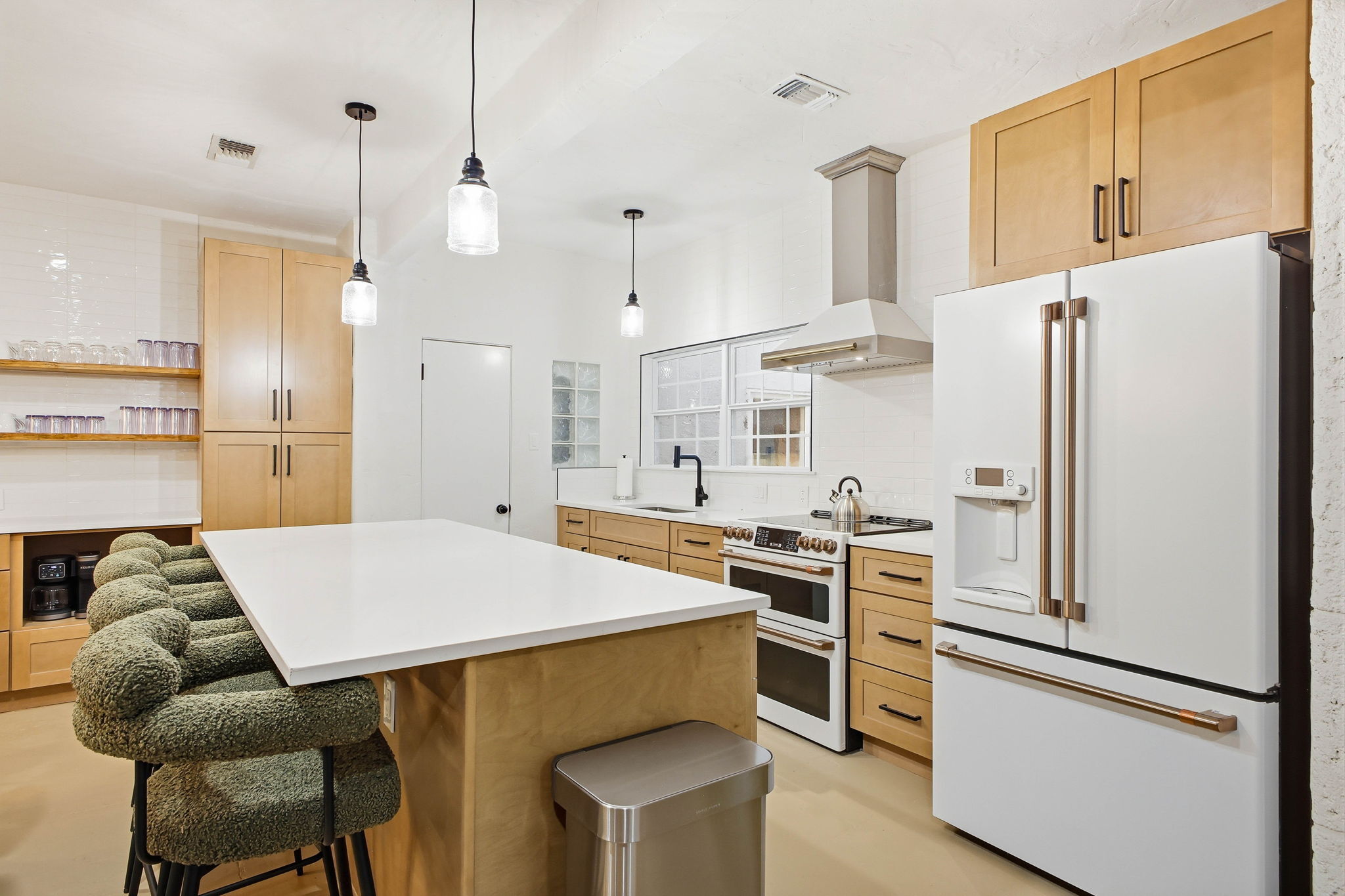
- Essential Amenities: Modern travelers expect high-speed internet, comfortable bedding, equipped kitchens, and reliable climate control as baseline amenities. Conduct guest surveys and analyze competitor offerings to ensure your property meets or exceeds standard expectations in your market segment.
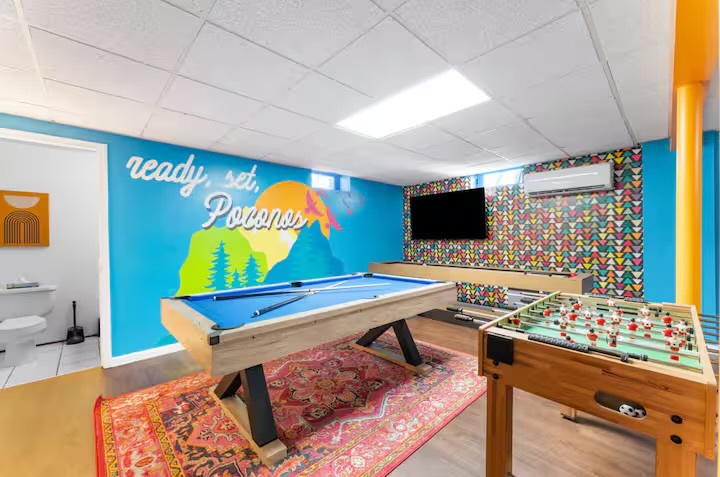
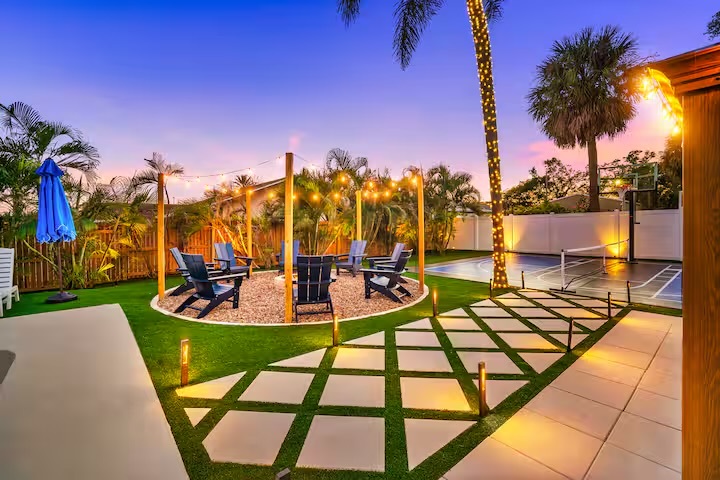
- Unique Amenities & Experiences: Differentiate your property with distinctive features that create memorable experiences and encourage positive reviews. Consider adding amenities like private hot tubs, game rooms, home theaters, or outdoor entertainment spaces that appeal to your target demographic and justify premium pricing.
- Exceptional Cleanliness and Hygiene: Implement professional-grade cleaning protocols that exceed guest expectations and generate five-star cleanliness ratings. Partner with experienced cleaning services that understand vacation rental standards and maintain consistency across all guest stays.
- Personalized Guest Communication: Develop communication workflows that engage guests before, during, and after their stays. Provide local recommendations, check-in instructions, and prompt responses to inquiries to create exceptional service experiences that generate positive reviews and repeat bookings.
- Five-Star Customer Service: Train yourself or your team to anticipate guest needs, resolve issues rapidly, and exceed expectations through thoughtful touches like welcome amenities, local guides, or surprise upgrades. Exceptional service creates emotional connections that drive positive reviews and referrals.
- Incentivize Positive Reviews: Encourage satisfied guests to share their experiences through follow-up communications that make leaving reviews easy. Consider offering small incentives like future stay discounts or local experience vouchers to guests who provide detailed, helpful reviews.
Economic Factors and Travel Trends
Economic conditions influence travel behavior and Airbnb occupancy. Rising inflation has increased flights, fuel, and dining costs, forcing many travelers to reduce trip frequency or duration. However, this economic pressure has created opportunities for hosts to position their properties as cost-effective alternatives to expensive hotels.
The remote work revolution has changed travel patterns. Many professionals are seeking longer-term work-leisure stays. Properties with dedicated workspaces, high-speed internet, and comfortable living areas for extended stays can tap into this growing market, achieve higher occupancy rates and revenue per booking.
Changing demographics influence travel trends. Millennials and Gen Z travelers prioritize experiences over luxury, seeking authentic local connections and Instagram-worthy moments. Properties with unique design, local cultural experiences, and social media-friendly spaces outperform generic accommodations.
Conclusion
Declining Airbnb occupancy presents challenges for hosts, but understanding the causes and implementing strategies can restore and exceed previous performance. Success in today's market requires strategic pricing, exceptional guest experiences, and property improvements that align with evolving traveler expectations.
Hosts who thrive in this environment will adopt data-driven decision-making, invest in property differentiation, and deliver exceptional value to guests. By focusing on controllable factors like property presentation, guest communication, and strategic improvements, hosts can overcome market challenges and build sustainable, profitable businesses.
Are you ready to transform your underperforming property into a booking success? Contact STR Cribs to discover how our data-driven design and renovation services can help you achieve the occupancy rates and revenue your property deserves.
FAQ
Q: How do seasonal trends affect Airbnb occupancy?
A: Seasonal trends create predictable demand fluctuations,demand. Most markets experience 30-50% higher occupancy during peak seasons. Understanding local seasonality allows for strategic pricing adjustments, targeted marketing, and planned maintenance during slower periods. Markets with extreme seasonality may benefit from diversifying target markets or offering longer-term stays during off-peak periods.
Q: How important is professional photography for Airbnb listings?
A: Professional photography is crucial for Airbnb success. High-quality images increase booking rates by up to 40%. They showcase your property's best features, create emotional connections with potential guests, and improve your listing's search performance. The investment in professional photography usually pays for itself within the first few additional bookings.
Q: How do changes on Airbnb affect hosts?
A: Airbnb algorithm updates, new features, and policy changes can significantly impact host visibility and booking performance. By staying informed through host newsletters, community forums, and industry publications, hosts can adapt rapidly to maintain competitiveness. Recent algorithm changes favor hosts with high response rates, excellent reviews, and complete listing information.
Q: What's the difference between Airbnb and traditional hotels for guests?
A: Airbnb offers advantages like more space, kitchen facilities, local experiences, and better value for longer stays or group travel. However, hotels provide consistent service standards, loyalty programs, and professional hospitality. Successful Airbnb hosts combine the best of both worlds by offering unique spaces with hotel-quality service and amenities.